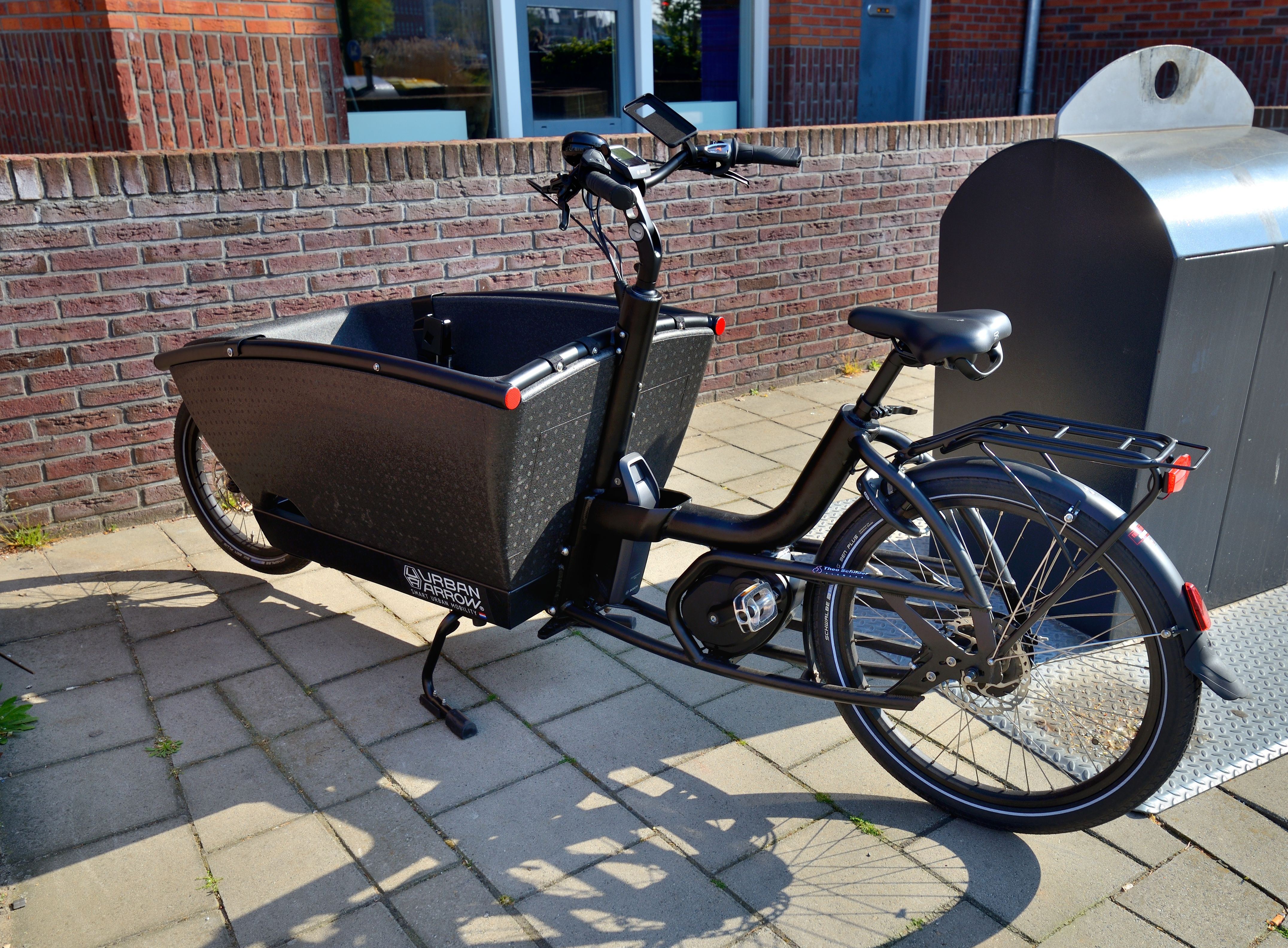
E-bike riders will face a 10 mph speed limit on California sidewalks starting Jan. 1, 2027, after Gov. Gavin Newsom signed a bill co-authored by Assemblymember Marc Berman on Wednesday, Sept. 30.
Berman co-authored AB 2346 with Assemblymember Lori Wilson (D-Suisun City). The law also requires Class 2 e-bikes manufactured, sold or offered for sale on or after Jan. 1, 2029, to come equipped with a speedometer, KQED reported.
Newsom signed the bill alongside two other e-bike safety measures.
The sidewalk speed limit, seller disclosure requirements and new local trail speed-limit authority take effect Jan. 1, 2027. Under AB 2346, cities and counties can set posted speed limits of 15 or 20 mph on bike paths and multiuse trails by local ordinance. They can establish a 10 mph limit in limited areas with heavy pedestrian traffic or visibility problems.
The legislation arrives as Palo Alto grapples with a growing e-bike safety problem on its own streets. In March 2026, six collisions involving e-bikes and e-motos occurred across PAUSD campuses, with one causing major injuries, Palo Alto police Lt. Kara Apple said at a joint PAUSD-City Council committee meeting in April 2026. Apple said officers were seeing more student riders violating traffic laws.
Ria Hutabarat Lo, the city's chief transportation official, told the same committee there is a “high proportion” of motorized devices parked at Gunn and Palo Alto high schools. She suggested the district consider an on-campus ban, more enforcement and more parent education, the Palo Alto Daily Post reported.
A July study from UC San Diego found a sharp increase in reported e-bike collision injuries in California between 2018 and 2024. Compared with traditional bicyclists, injured e-bike riders were more likely to be children 14 and younger and to have moderate-to-severe injuries.
“One of our most concerning findings was the disproportionately high number of injured children involved in e-bike crashes,” Dr. John Austin, a surgery research fellow at UC San Diego School of Medicine, said when the study was published in July.
Beyond AB 2346, Newsom signed SB 1167 by Sen. Catherine Blakespear (D-Encinitas). Starting Jan. 1, 2027, devices capable of exceeding 20 mph on motor power alone or receiving motor assistance above 28 mph cannot be sold or advertised as e-bikes. To operate on public roads, those devices must qualify as an authorized motor vehicle and meet its licensing, registration and other requirements.
A third bill, AB 2595 by Assemblymember Diane Papan (D-San Mateo), creates a pilot program allowing San Mateo County municipalities to ban children under 12 from riding Class 1 or 2 e-bikes until Jan. 1, 2031. The pilot does not apply to Palo Alto, which is in Santa Clara County.
AB 2346 also requires sellers to give buyers a written disclosure covering the e-bike's class, maximum speed, wattage, age limits, helmet rules and a link to the California Highway Patrol's e-bike safety program.