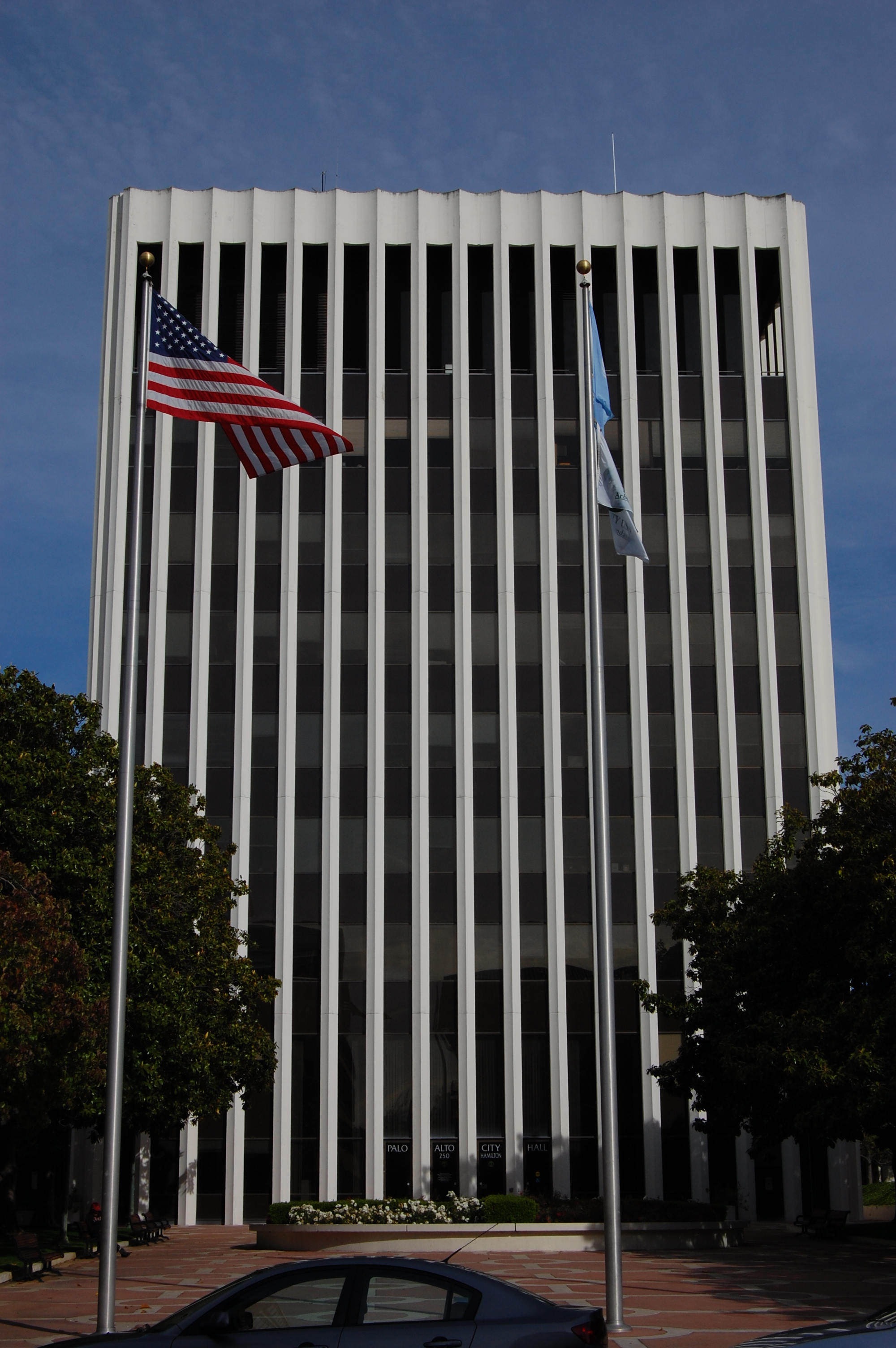
The Palo Alto City Council is scheduled to consider expanded overnight parking restrictions for oversized vehicles Monday, Oct. 19, according to the city’s oversized vehicle page.
The proposal follows months of debate over roughly 150 RVs parked across Palo Alto, according to Palo Alto Online. Residents have pushed for stricter enforcement while advocates have called for more services for people living in vehicles.
The proposed ordinance appears on the Oct. 19 consent calendar as Item 6, according to the city’s update.
The ordinance would expand overnight RV parking restrictions to additional residential areas, Palo Alto Online reported Oct. 11. Restricted hours would expand from 2 to 6 a.m. to 8 p.m. through 8 a.m.
The city also plans to spend about $140,000 on new signage at roughly 50 entrances to the city, according to Palo Alto Online.
In August, the council approved a parking permit pilot for sections of Embarcadero Road and Coyote Hill Road, which the city says will be implemented by early 2027. The Coyote Hill segment would hold up to approximately 20 oversized vehicles and Embarcadero up to approximately 17. The Aug. 24 staff report proposed a permit fee of up to $15 per month.
Mayor Vicki Veenker described the broader strategy as a three-part plan in an interview with Palo Alto Online published Sept. 2. She said the approach means "none in residential, none as second homes" and then enough space in the permit pilot, especially if the city can secure more lots.
Palo Alto Online reported that council members appeared united in supporting restrictions on RV dwellers who have permanent homes elsewhere. Councilmember Julie Lythcott-Haims, who has advocated for stronger social services before additional restrictions, told Palo Alto Online the city's obligation is to those who are truly unhoused.
The city’s oversized vehicle page says that about 73% of Palo Alto's unhoused residents live in vehicles, compared with the countywide figure of 53%. How many of the roughly 150 RVs serve as second homes remains unclear, according to Palo Alto Online.
Consent-calendar items are generally voted on together without separate discussion, although an item can be pulled for individual consideration.