Palo Alto Unified's arts programs will operate under clearer state funding rules after Gov. Gavin Newsom signed Assembly Bill 2440 on Sunday, Sept. 27.
The law resolves confusion over how California's K-12 schools can spend Proposition 28 arts money. PAUSD has been actively using its share of the funding since 2023-24, when the district received a preliminary allocation of about $1.24 million, The Campanile reported.
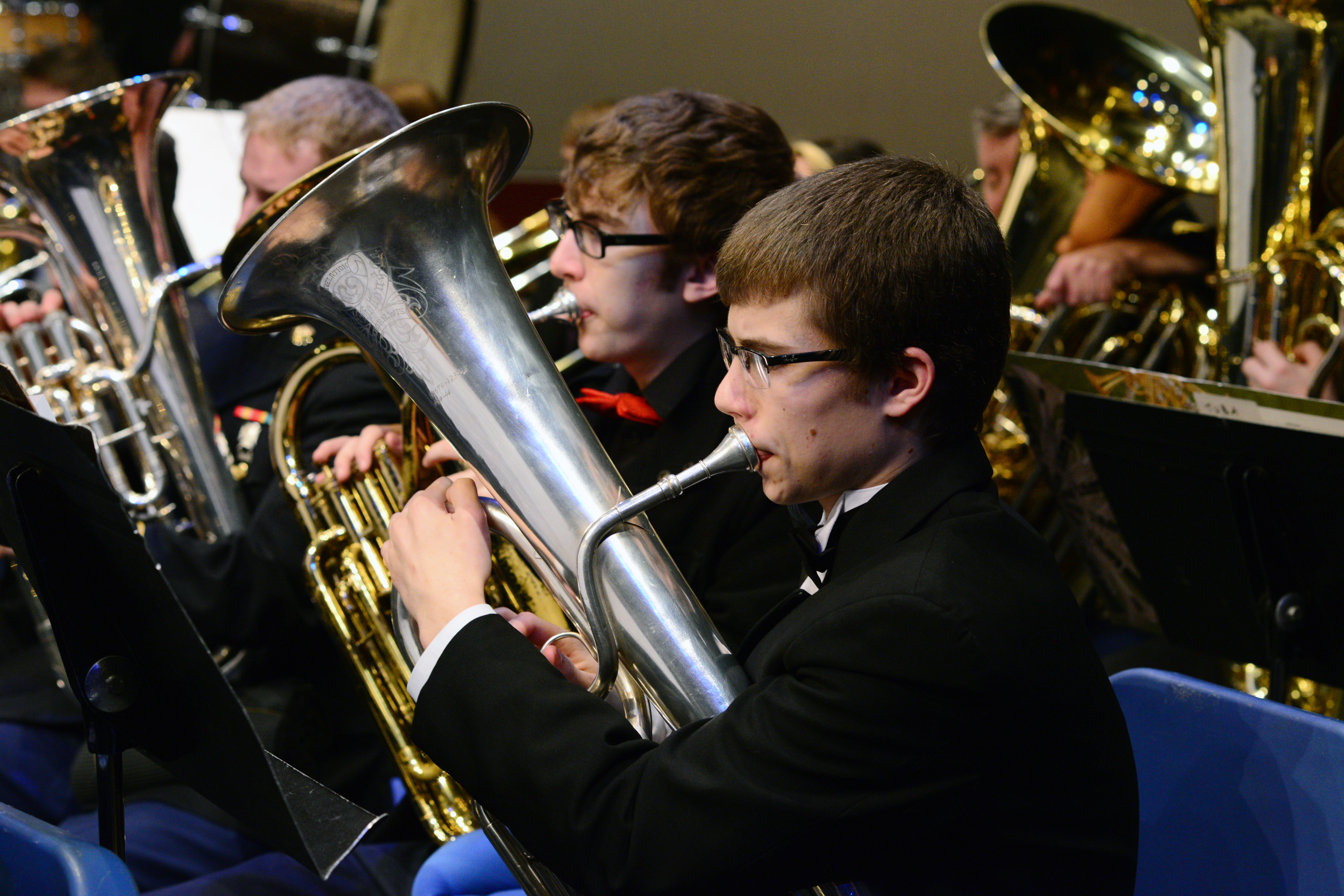
That money paid for a Learning Center Music Program serving students in Extensive Support Needs classrooms, eight Spectra Art classes for K-5 students and a half-time elementary strings teacher. At the secondary level, the district added arts sections where student interest warranted them, according to district records. In all, Prop. 28 funds reached 4,177 students across 16 school sites.
By 2025-26, the district said those funds continued to sustain the expanded arts staffing added two years earlier. The PAUSD Board of Education approved the district's Prop. 28 funding report on a 5-0 consent vote on June 2.
Kelly Martin, PAUSD's director of Visual and Performing Arts, told The Campanile in March 2024 that spending focused on staffing tied to student elective choices, adding sections without replacing existing courses.
PAUSD had not publicly addressed AB 2440’s specific impact on the district in the sources reviewed as of Oct. 1.
What the law changes
Prop. 28, approved by voters in 2022, sends about $1 billion a year to public K-12 schools for visual art, music, dance, theater and other arts. Schools must spend at least 80% on additional arts staff. Whatever they don't use, they must return to the state after three years.
Some districts weren't sure whether they could pool funds with a neighboring school to share a teacher, whether outside grants counted toward baseline spending, or whether a P.E. class with dance qualified as arts instruction. AB 2440, authored by Assemblymember Al Muratsuchi of Torrance, answers all three. Schools may pool resources. One-time arts grants from outside sources can count toward a school’s baseline arts spending. Arts classes must align with the state’s arts education framework, meaning a P.E. class generally cannot qualify simply because it includes dance.
The bill also expands allowable uses to include curriculum, materials and professional development. It passed the Legislature unanimously, as CalMatters reported. The changes are scheduled for full implementation beginning with the 2027-28 fiscal year, according to The Center Square.
Why it was needed
Statewide, some schools returned their Prop. 28 money because they feared getting sued over compliance. A Stanford Research Institute study cited by CalMatters found California is short 5,000 arts teachers, compounding the problem.
Austin Beutner, the former Los Angeles Unified superintendent who authored Prop. 28, sued LAUSD in 2025. The complaint alleges the district cut existing arts programs and replaced them with $76.7 million in Prop. 28 funds. That case is pending in Los Angeles County Superior Court.
Beutner initially opposed AB 2440, saying it would give districts too much latitude. He withdrew his opposition after lawmakers added a requirement that districts certify compliance at every school site. "My hope is that this causes districts to further reflect on whether they're in compliance with Prop. 28," Beutner told CalMatters in early September, before the bill reached Newsom's desk.
Full implementation of the new rules begins in the 2027-28 fiscal year.