A molecule designed by Stanford Medicine researchers wiped out aggressive lymphoma tumors in mice within 11 days by turning a protein that helps cancer grow against the cancer itself.
The study, published online July 20 in the journal Cell, tested a molecule called TCIP3. Instead of simply blocking a cancer-driving protein called BCL6, TCIP3 redirects it so cancer cells switch on their own death program.
"We're trying to essentially fight cancer with its cause – taking the driving force of the cancer and then rewiring it to activate cell death mechanisms," Stanford researcher Gerald Crabtree, MD, said in a Stanford Medicine report on the findings.
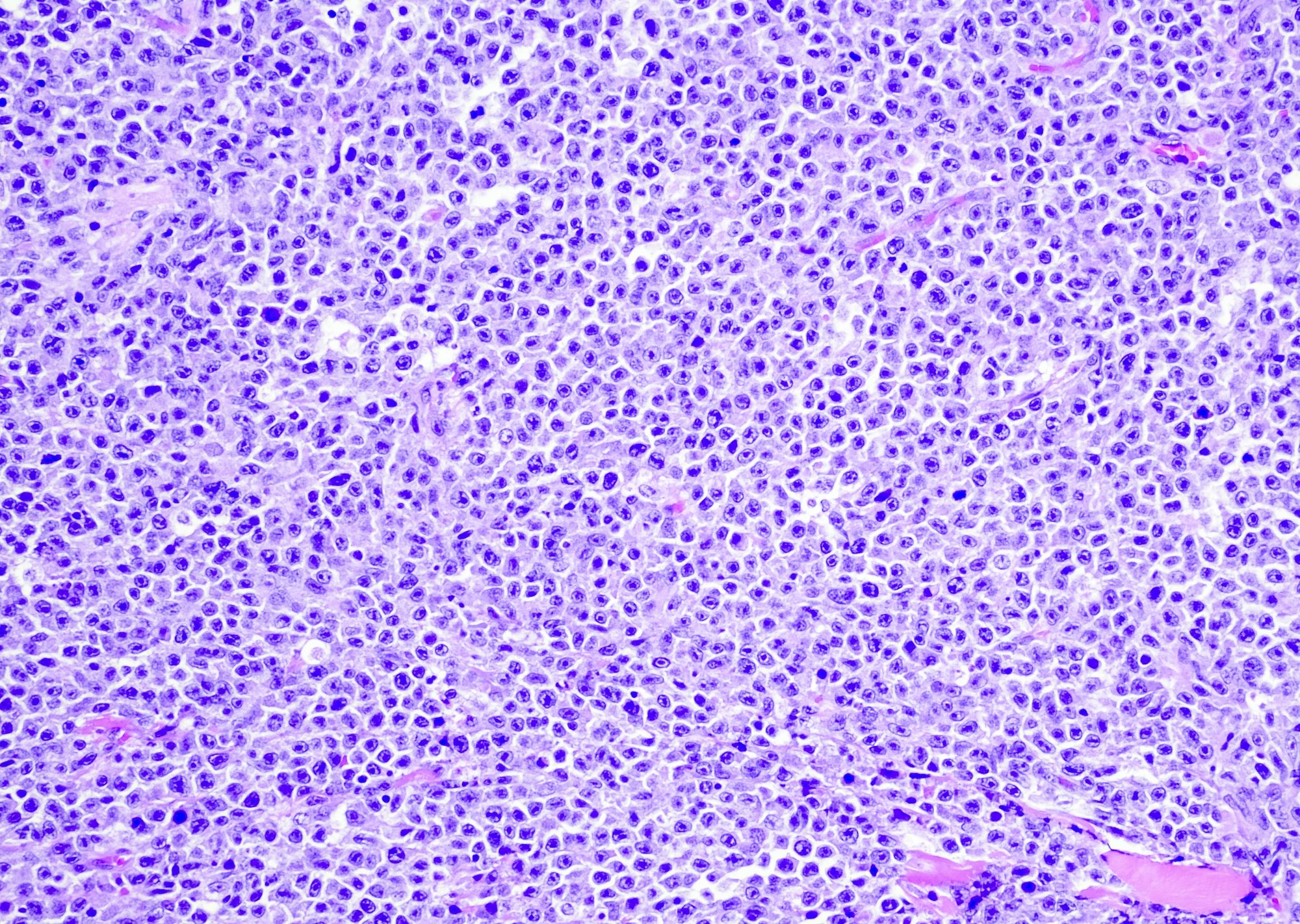
The researchers studied diffuse large B-cell lymphoma, the most common form of non-Hodgkin lymphoma. More than 20,000 people in the U.S. are diagnosed with it each year, and about 65% survive at least five years after diagnosis.
Turning cancer against itself
BCL6 normally helps certain immune cells grow by temporarily blocking genes that tell cells to die. In some lymphomas, that protein stays active and allows cancer cells to keep multiplying.
TCIP3 attaches BCL6 to other proteins that help switch those cell-death genes back on. Researchers describe the molecule as a kind of "molecular glue" because it forces proteins together in a way that makes the cancer-killing effect stronger.
Existing drugs that target BCL6 generally try to block or destroy the protein. TCIP3 instead turns BCL6 into part of the mechanism that kills the cancer cell.
Tumors disappeared within 11 days
Researchers implanted human lymphoma cells into mice and then treated the animals with TCIP3 twice a day.
By day 11, tumors in the treated mice were gone, while tumors remained in untreated mice. Researchers also reported no obvious signs of toxicity and no increase in inflammatory signals in blood tests.
The molecule also affected immune cells involved in some autoimmune diseases. Researchers said similar approaches could eventually be studied for conditions including rheumatoid arthritis and myasthenia gravis.
Still early research
TCIP3 is not ready for use in people.
Researchers say the molecule needs more chemical refinement and testing in additional animal species before it could be considered for human trials. They are also looking for other cancer-driving proteins that could potentially be redirected in the same way.
Crabtree and Stanford researcher Nathanael Gray, PhD, have financial ties to Shenandoah Therapeutics, a company developing TCIP technology. The company holds a Stanford University license for the technology described in the study.