The water agency serving Palo Alto and the rest of Santa Clara County now has a 20-year roadmap to eliminate its carbon footprint, after the Valley Water Board of Directors voted Aug. 11 to adopt its first Greenhouse Gas Reduction Plan.
The plan commits the agency to carbon neutrality by 2045, aligning with the statewide target set by Assembly Bill 1279. It marks the first time Valley Water has formally inventoried and set reduction targets for its full range of emissions, including a category that dwarfs everything else: indirect emissions from construction, maintenance and imported water, which account for roughly 70% of the agency's total greenhouse gas output based on a five-year average from 2017 through 2021.
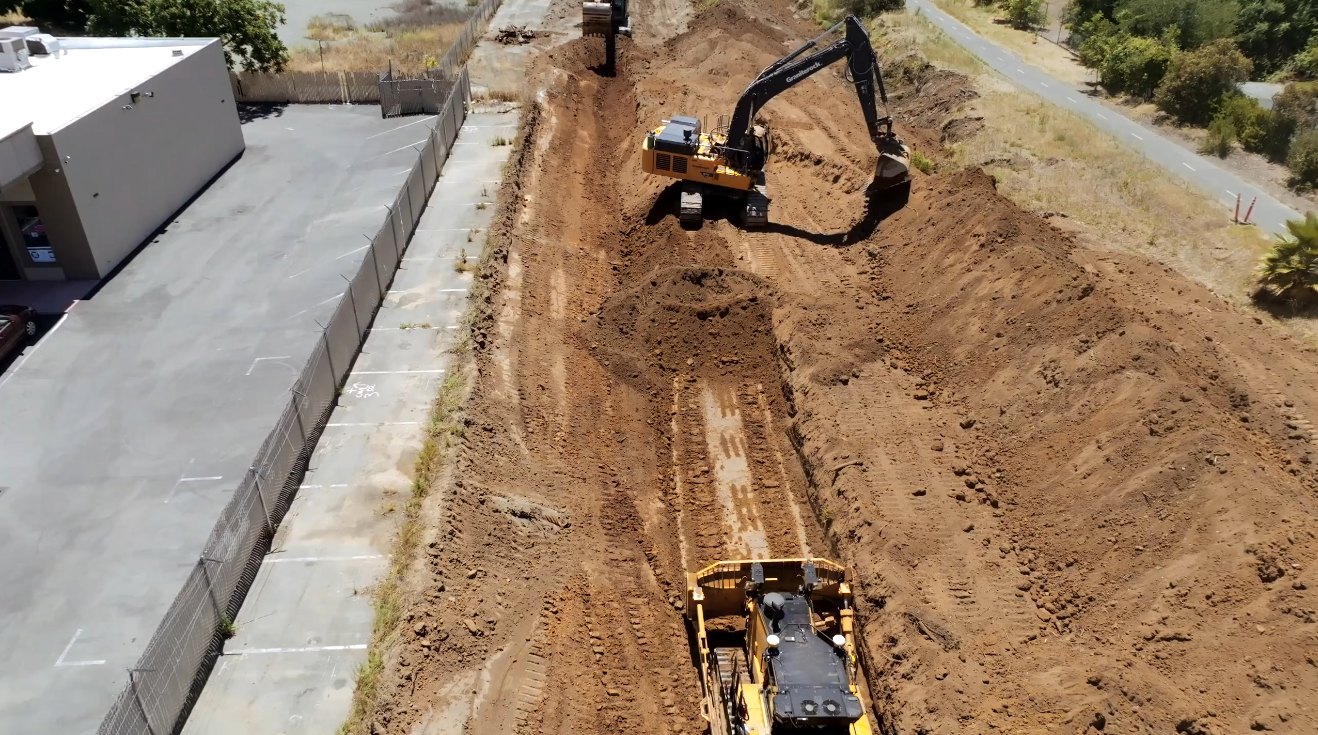
That finding shapes the plan's core strategies. Valley Water will increase use of zero-emission fuels and equipment in its on- and off-road fleet, expand use of zero-emission construction vehicles and equipment on its projects, and capture carbon through habitat restoration work such as tidal marsh, riparian and freshwater wetland projects.
The agency said in its Aug. 20 announcement that it will monitor emissions annually against a carbon budget, report progress every two years and update the plan every five years.
What it means locally
Valley Water manages wholesale water supply and groundwater for about 2 million county residents, including Palo Alto. The plan also creates a framework to streamline environmental review under the California Environmental Quality Act: future Valley Water capital projects, including water infrastructure and habitat restoration in Palo Alto, can use the plan's established carbon budget rather than conducting standalone greenhouse gas analyses.
For context, Palo Alto's own Sustainability and Climate Action Plan targets carbon neutrality by 2030, 15 years ahead of Valley Water's goal.
How it got here
Adoption followed several years of technical analysis, an independent peer review and a 31-day public comment period under CEQA that closed June 8. Valley Water had already taken earlier steps including solar panel installations at facilities, LED lighting conversions and procurement of low-carbon electricity. Senior environmental planner Nick Mascarello served as the public comment contact for the review period.
Valley Water will publish its first biennial progress report on the plan, though no date has been set publicly. The agency's press release did not include a cost estimate for implementation.