A California law requiring AI companies to embed origin data in every image, video, and audio clip they generate takes effect Sunday, August 2, and the legislator behind it represents Palo Alto.
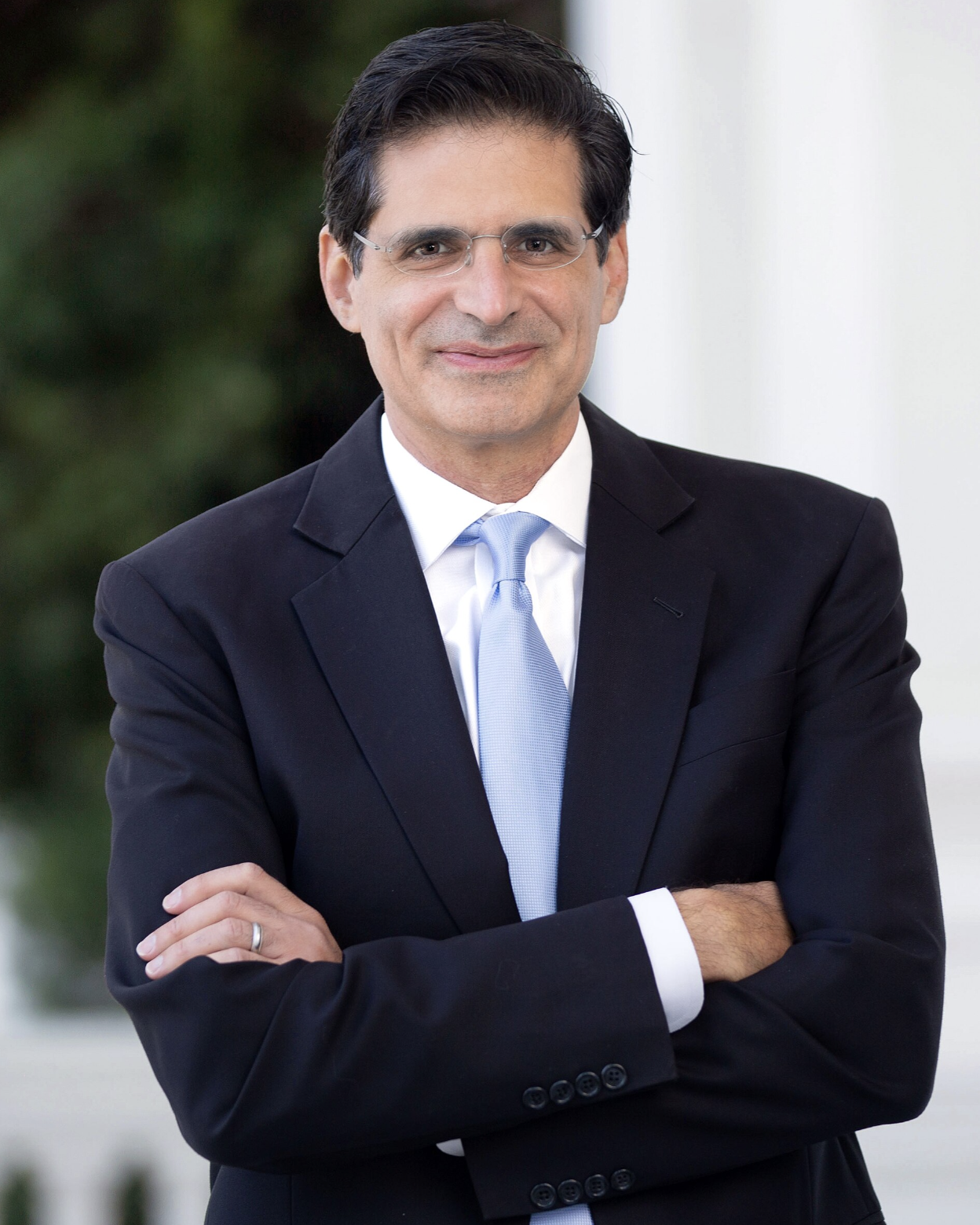
State Sen. Josh Becker (D-Menlo Park), whose 13th Senate District includes Palo Alto, Mountain View, and Redwood City, authored SB 942, the California Artificial Intelligence Transparency Act. Gov. Gavin Newsom signed it Sept. 19, 2024, but a subsequent bill, AB 853, delayed implementation to align California's rollout with the European Union's AI Act, which also takes effect August 2.
The law targets large generative AI providers with more than 1 million monthly users. Starting Sunday, those companies must embed invisible provenance data in all AI-generated or AI-altered images, video, and audio, recording when and where the content was created. They must also offer users a free detection tool to verify whether content was AI-generated.
"Three years ago, the problem hit me in the face," Becker told Bay City News Service on Wednesday, July 29, describing how deepfake scams and election misinformation prompted him to act. His office said in a statement that AI-driven scams cost Americans more than $1 billion annually.
Unlike a visible watermark, which can be cropped off a fake image or slapped onto a real one, the embedded provenance travels with the file permanently, according to Becker. That distinction carries weight in a city with deep ties to the AI industry and home to Stanford University.
Penalties and enforcement
Violators face $5,000 per violation, with each day of noncompliance counted separately. The state attorney general, a city attorney, or county counsel can bring enforcement actions.
Becker co-authored the legislation with Assemblymember Buffy Wicks (D-Oakland) and Assemblymember Rick Chavez Zbur (D-Los Angeles).
What comes next
A second, stricter phase kicks in Friday, January 1, 2027. At that point, large social media platforms must detect and disclose AI-generated content in their feeds and give users an interface showing whether what they're viewing was made by a machine.
That January deadline is the one Palo Alto residents will feel most directly: platforms like Instagram, Facebook, and X will be required to flag AI-generated posts before users scroll past them.