Caltrain expects a regional transit tax to cover its projected operating deficit for 14 years, helping preserve service for Palo Alto riders. The measure led with 61.8% support in preliminary results as of 3:30 p.m. Nov. 5, according to the Metropolitan Transportation Commission. Results remain unofficial.
The railroad will receive about 7% of the measure’s net revenue, according to Caltrain’s budget FAQ. That share is expected to address the agency’s projected operating deficit over the measure’s full term.
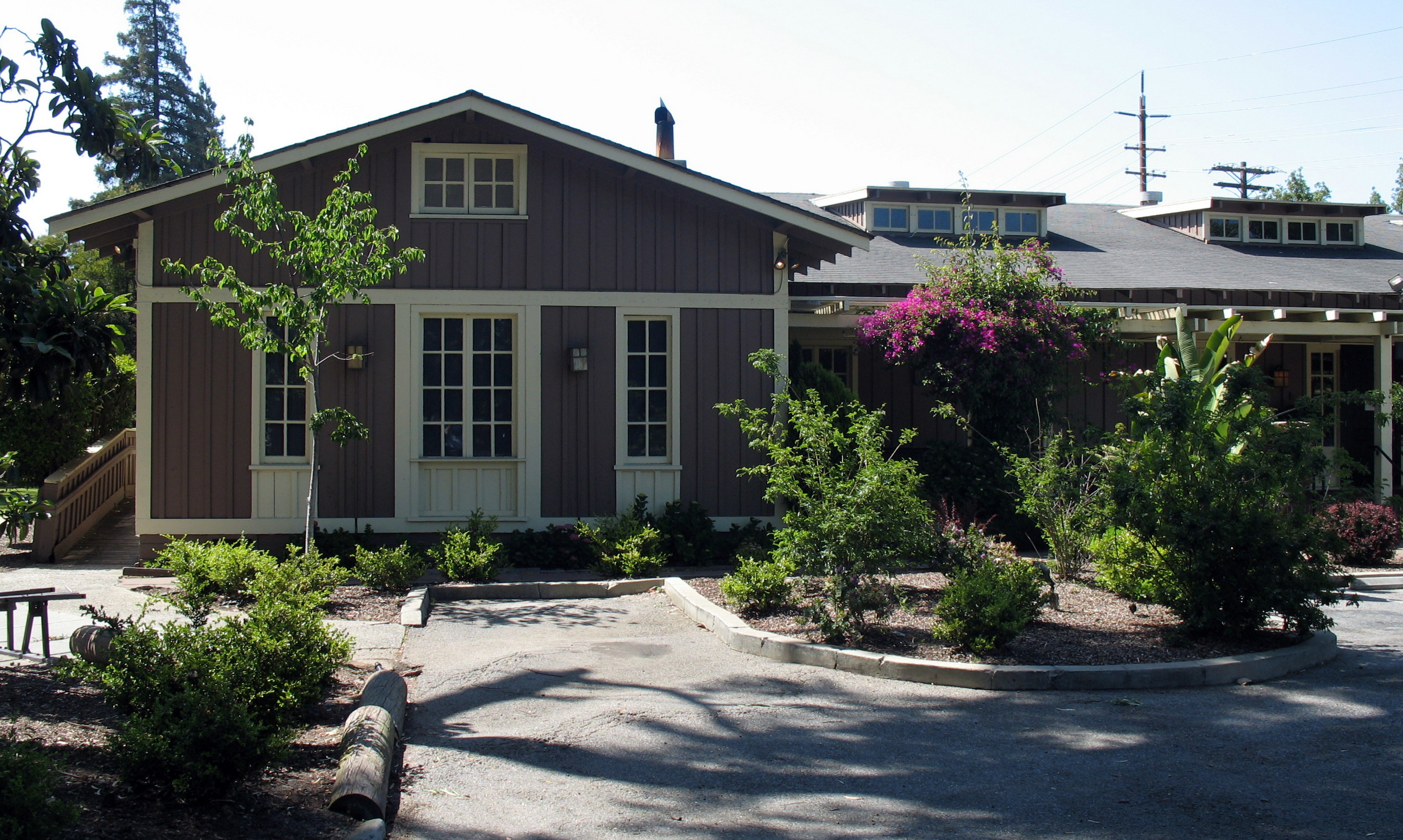
The local stakes were steep. Caltrain’s Palo Alto station, near University Avenue, is the second-most popular in the entire system, according to a presentation to the Palo Alto City Council in October. Caltrain Board Vice Chair Pat Burt, who also serves on the Palo Alto City Council, noted the city has roughly twice the boardings of San Jose’s Diridon Station, as reported by Palo Alto Weekly in a story republished by San José Spotlight.
Without the measure, Caltrain faced an approximately $75 million annual operating shortfall that could have meant no weekend service, the closure of more than a third of all stations and service ending by 9 p.m., according to the agency’s budget FAQ.
Ridership surge after electrification
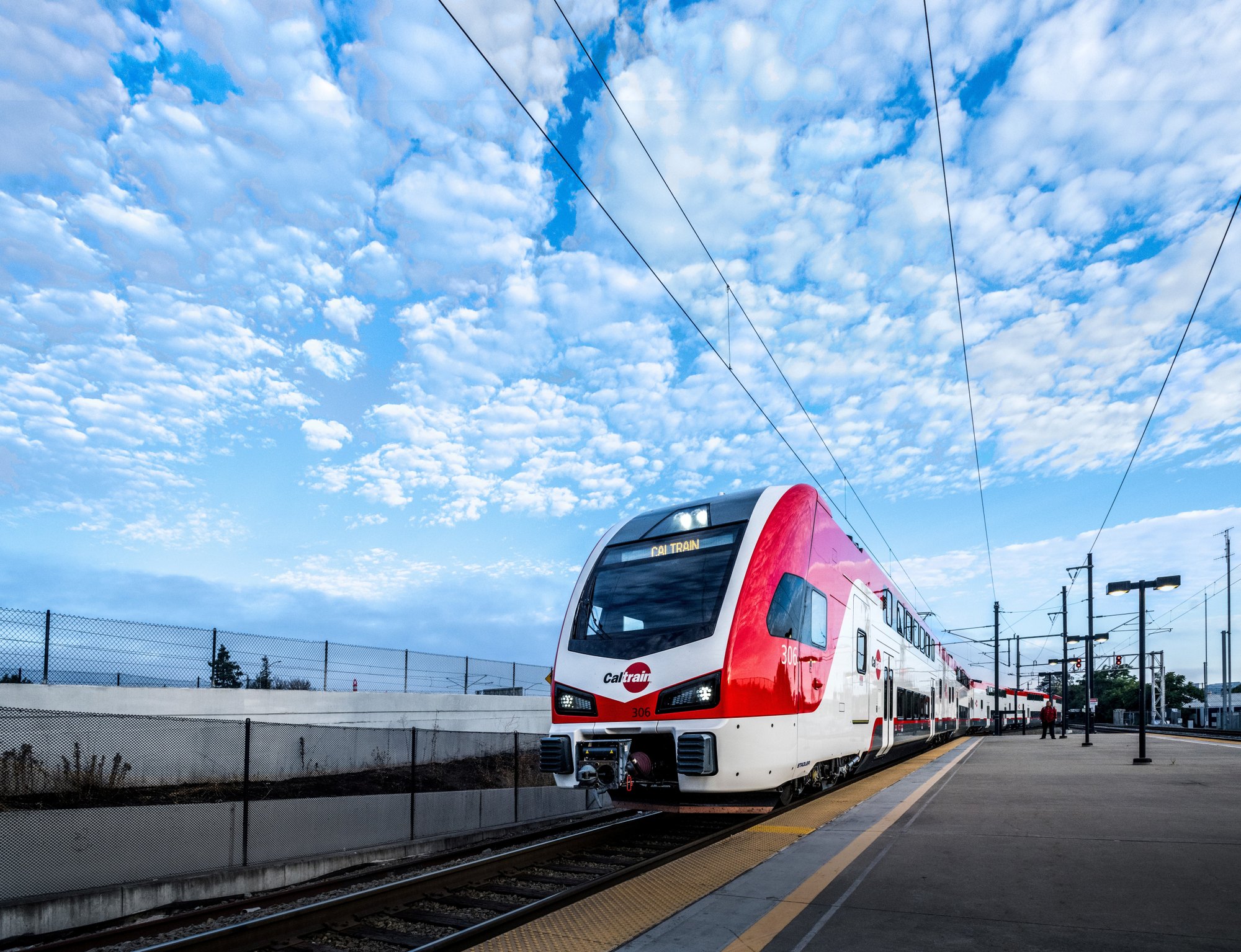
The vote came during a stretch of strong ridership growth. Caltrain served 12.6 million riders in fiscal year 2026, up nearly 38% from the year before, according to its Nov. 4 statement. Ridership in Palo Alto nearly doubled between August 2024, before full electric service began, and August 2026, Palo Alto Weekly reported.
Caltrain said it had the nation’s fastest-growing transit ridership in 2025. The agency accepted the American Public Transportation Association’s Outstanding Public Transportation System award Oct. 6. Rider surveys show 92% satisfaction, an all-time high, according to Caltrain’s Nov. 4 statement.
Caltrain has cut $76 million in costs over the past five years, about 7% of its operating budget over that period, according to the agency. It also grew revenue from advertising, property and other assets. Those steps were not enough to close the gap alone.
What the tax means for shoppers
The Regional Transit Measure adds a 0.5% sales tax in Santa Clara, San Mateo, Alameda and Contra Costa counties and a 1% sales tax in San Francisco. The taxes are expected to generate about $1 billion a year to maintain service at BART, Muni, AC Transit, Caltrain and other agencies, MTC said.
Under SB 63, the state law that authorized the ballot measure, transit agencies must undergo a financial efficiency review. Revenue from the taxes will begin flowing to agencies in 2027, KQED reported.
Caltrain said in its statement that it expects to maintain uninterrupted, seven-day-a-week service. Executive Director Michelle Bouchard said the agency will remain “focused on providing safe, reliable, and efficient service while ensuring accountability and remaining responsible stewards of public funds.”
Burt said in the statement that the measure would help Caltrain build on electrification and preserve all-day, seven-day service.
The Palo Alto Transportation Management Association offers free Caltrain passes to qualifying low-income workers and residents. Eligibility requirements apply.