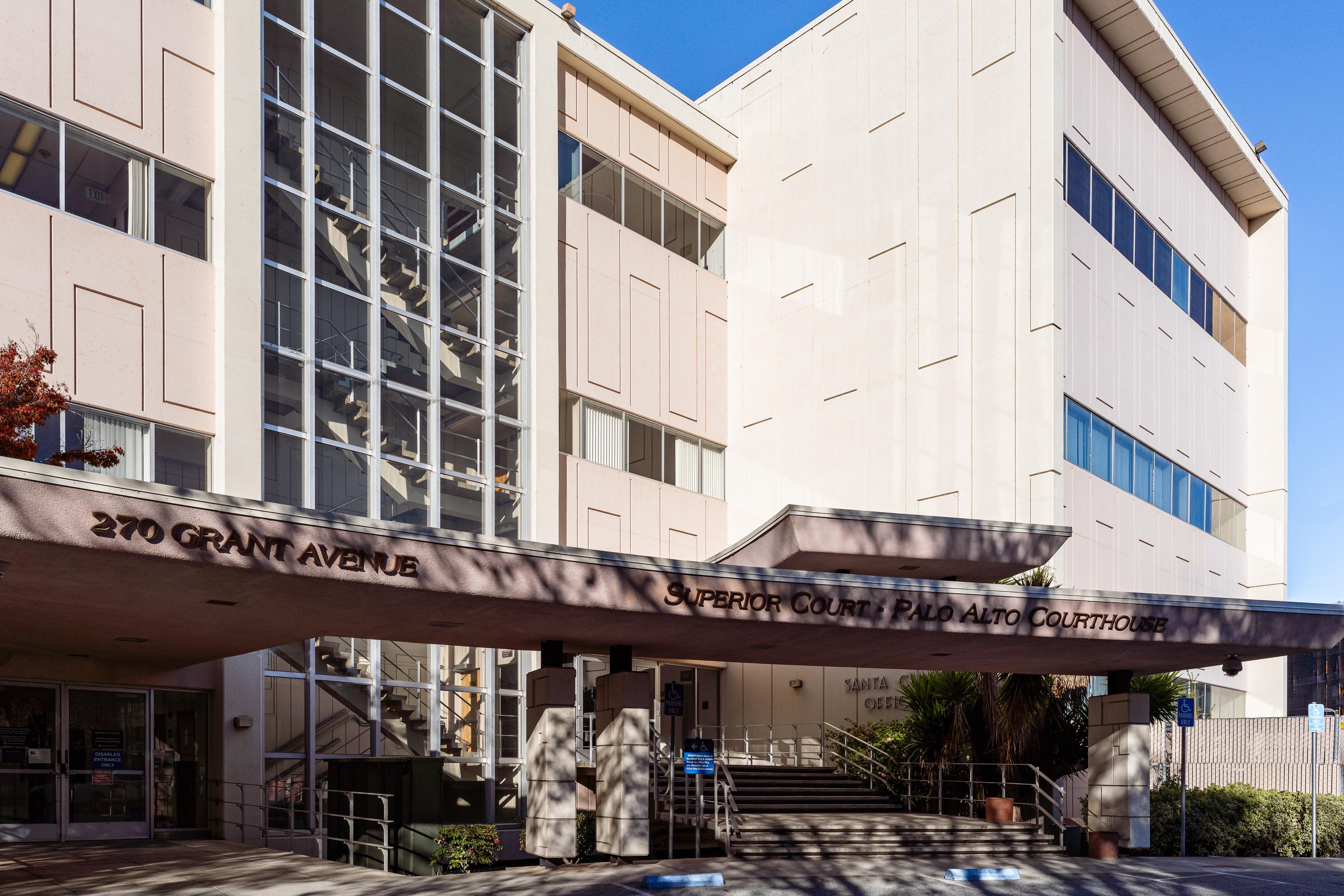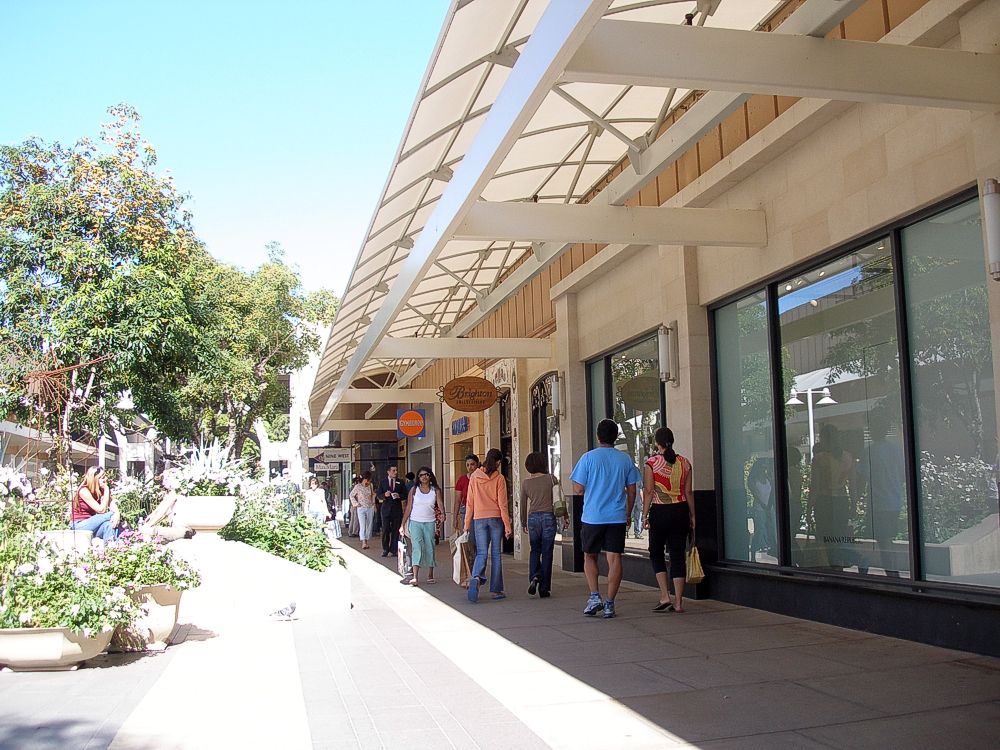
Henry Etzkowitz wants Palo Alto to build thousands of homes on two of the city's most valuable commercial corridors: Stanford Research Park and Stanford Shopping Center.
The 86-year-old academic and CEO of Menlo Park think tank Helix Institute filed Tuesday, Aug. 4, to run for City Council in the Nov. 3 election. His central pitch: partner with Stanford University to concentrate dense housing on the university's commercial land rather than in residential neighborhoods.
The proposal would reshape 700 acres of office and retail property that house more than 150 companies, including Tesla, xAI, General Motors and Rivian. Stanford Research Park alone generated an estimated $775 million in economic activity for Palo Alto and more than $45 million in taxes, according to the park's most recent public economic impact figures from 2016.
"Right now, Stanford has difficulty in hiring because of the housing crisis," Etzkowitz told Palo Alto Online. "There's faculty members who can't come here. The housing crisis is interrelated with the university's future, and both must be solved together."
The park is not sitting idle. In the fourth quarter of 2025, Elon Musk's xAI signed a 105,536-square-foot lease at 1510-1530 Page Mill Road, the largest office deal on the South Peninsula that quarter, according to a Newmark market report. General Motors leased approximately 340,000 square feet at 3411 Hillview Avenue, a 70-acre former Broadcom campus that Harvest Properties and TPG Real Estate acquired for $220 million in September 2025.
Harvest is already exploring the idea on adjacent land. The firm paid $163 million in July for a 24.5-acre R&D campus at 3825 Fabian Way and is considering converting roughly half of it to housing, The Real Deal reported.
Etzkowitz isn't alone in eyeing the park for housing. Economist Stephen Levy, director of the Center for Continuing Study of the California Economy, wrote in a July 14 Palo Alto Online column that Stanford Research Park is a priority site for pairing new office space with residential development. "I believe Stanford will be receptive to adding housing in partnership with filling the remaining vacant space," Levy wrote.
Stanford's own timeline may be opening a door. The university is preparing to file a new general use permit application that would govern campus expansion. At a series of open house events this spring, Stanford received more than 1,600 pieces of community feedback, with affordable housing dominating the sessions. Whitney McNair, Stanford's senior associate vice president and StanfordNext project executive, said at a June 10 community session that the university heard extensive interest in providing affordable housing both on and off campus. Stanford supplies roughly 30% of Palo Alto's state-mandated housing allocation of 6,086 units by 2031.
Both Stanford Research Park and Stanford Shopping Center sit on Stanford-owned land within Palo Alto city limits, meaning any housing there would require city zoning approval.
Etzkowitz calls himself a "super residentialist." He opposes housing near the Baylands Nature Preserve, on Geng Road and along San Antonio Road. He wants Eichler neighborhoods designated as landmarks to block redevelopment. He also supports building an underground Caltrain tunnel and relocating Palo Alto Airport to Moffett Field.
He ran unsuccessfully for council in 2024 after Stanford purchased Oak Creek Apartments on Sand Hill Road, where he lives. As of the June 30 campaign finance reporting period, he had reported zero monetary contributions. Yudy Deng leads the field with $83,000 raised.
As we reported Aug. 4, four candidates had already filed. The extended filing deadline is Aug. 12. Election Day is Nov. 3.