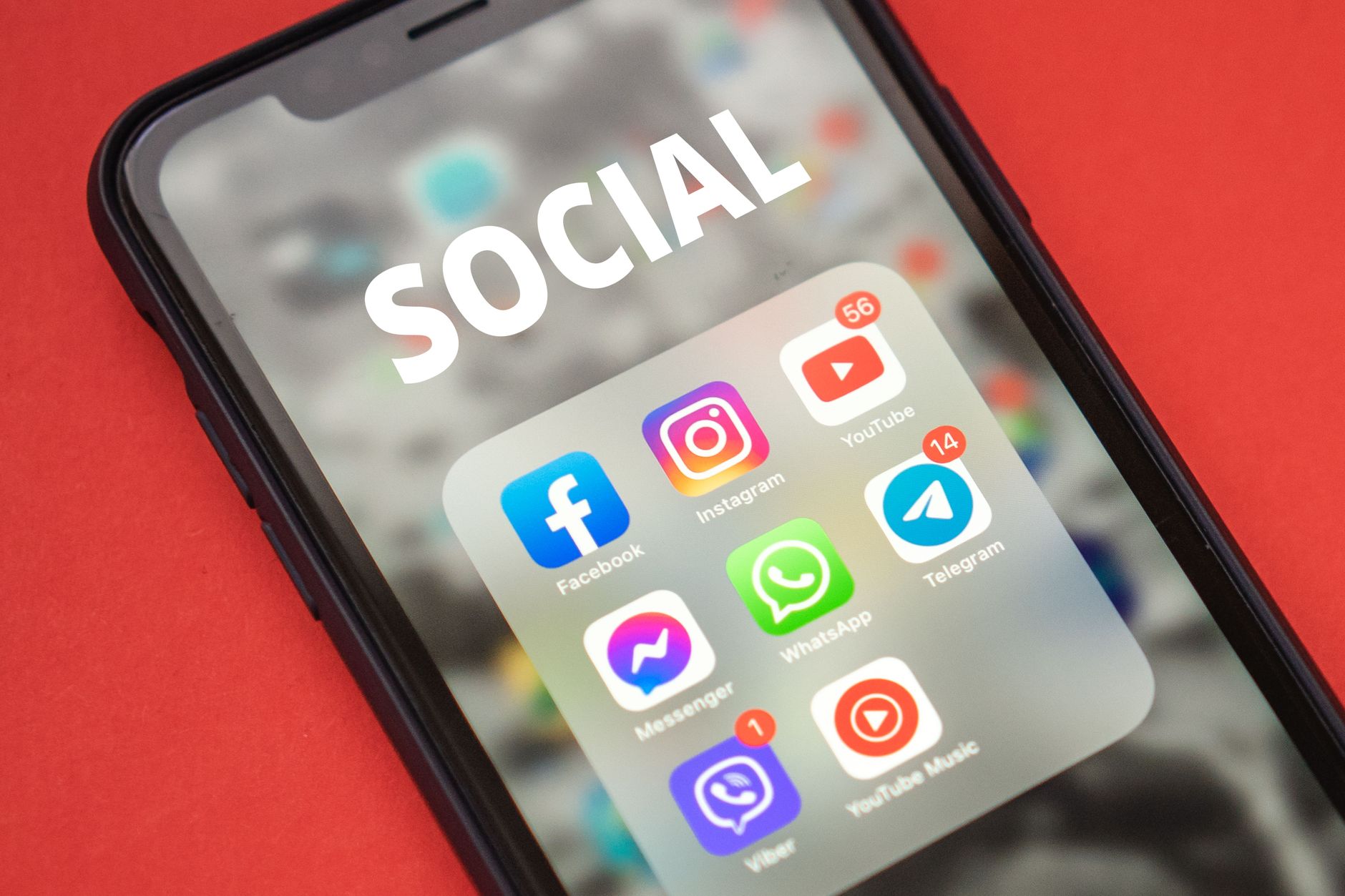
Meta, Google and TikTok filed separate federal lawsuits Nov. 4 to block a California law that would ban personalized feeds and autoplay videos for social media users under 16.
The law, Assembly Bill 1709, takes effect Jan. 1, 2027. The enacted law prohibits features it defines as addictive, expressly identifying addictive feeds and autoplay and allowing the attorney general to designate additional features through regulations. For Palo Alto families already wrestling with screen-time battles at Paly and Gunn, the outcome could reshape how their kids experience Instagram, YouTube and TikTok.
Gov. Gavin Newsom signed the bill Sept. 10 after the California Legislature passed it without a single no vote on Aug. 31, according to PPC Land's analysis of the Google complaint. Platforms that violate the law face civil penalties of up to $50,000 per affected minor for knowing violations and $25,000 for negligent ones, according to the enacted law.
All three companies named California Attorney General Rob Bonta as the defendant. Their core argument: choosing which content to show users is an editorial decision protected by the First Amendment. They also contend the law conflicts with Section 230 of the federal Communications Decency Act, which shields platforms from certain liability for how they display user-generated content.
Meta's complaint, filed in the Northern District of California, called AB 1709 the state's "latest attempt" to make itself "the editor, curator, and controller of online speech." Google argued in its San Jose filing that the law would "frustrate YouTube's efforts to provide under-16 users with safe, responsible, and enriching experiences on the platform."
José Castañeda, a Google spokesperson, said in an email that parents "are best positioned to make the right decisions for their families." He added, "Overly broad laws like this actually break the systems we've built to help kids find high-quality, age-appropriate videos," as reported by CalMatters in a story published by Almanac News.
Assemblymember Josh Lowenthal, a Long Beach Democrat who authored AB 1709, called the lawsuit "straight out of Meta's playbook," according to Deadline. He compared the restrictions to existing child safety rules. "We don't allow parents to say that children can be in a casino or in a bar," Lowenthal told NBC Los Angeles.
A spokesperson for Bonta said the office is reviewing the filings and "committed to defending California's common sense laws to protect kids online," Deadline reported.
The law also establishes an e-Safety Advisory Commission to monitor emerging technology and advise lawmakers on future protections for children, according to Lowenthal's office.
Not California's first fight
AB 1709 follows an earlier California law, Senate Bill 976, which restricted personalized feeds for minors but allowed them with parental consent. AB 1709 is stricter: it bans the features for users under 16 regardless of whether a parent approves.
A federal judge denied requests by Meta, TikTok and Google to block SB 976's feed restrictions on Aug. 5, Law Commentary reported. Google and YouTube appealed Aug. 11, according to their complaint. Their challenge to the newer, broader law sets up another round of federal litigation before the Jan. 1 enforcement deadline.
Local context
The lawsuits land in a community where parents and the school district have already clashed over screen time. Following an October 2025 board discussion, PAUSD said the emerging policy would restrict high school phone use during instructional time, largely maintaining existing practice. Final approval was still pending, according to the district's Oct. 17 update. Trustee Alison Kamhi disagreed with the majority, citing research on the negative effects of screen time on youth, Palo Alto Online reported.
Parent Candice Wei, who started a local chapter of Schools Beyond Screens, gathered 228 petition signatures as of July 10 urging the board to adopt stricter screen policies, Palo Alto Online reported.