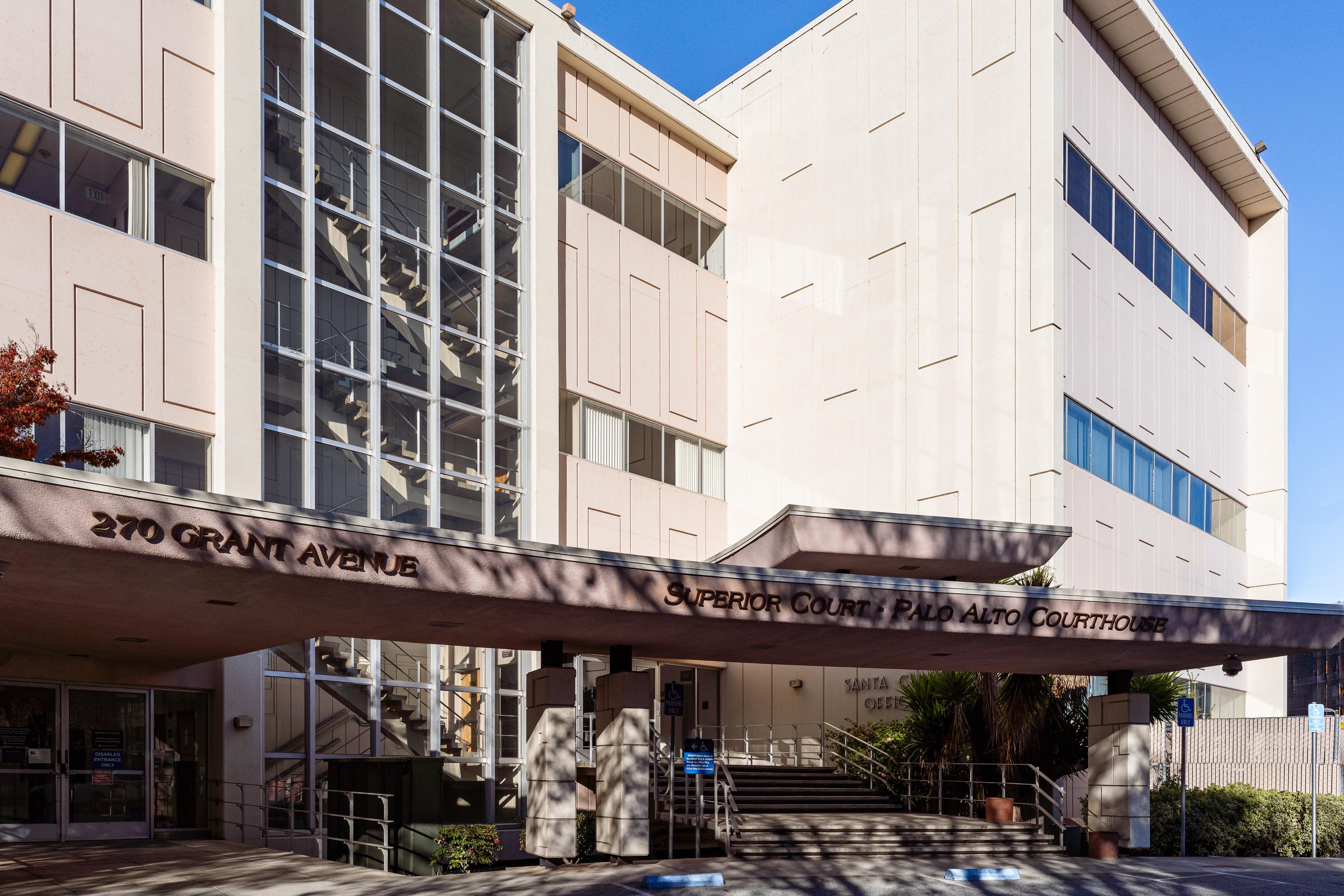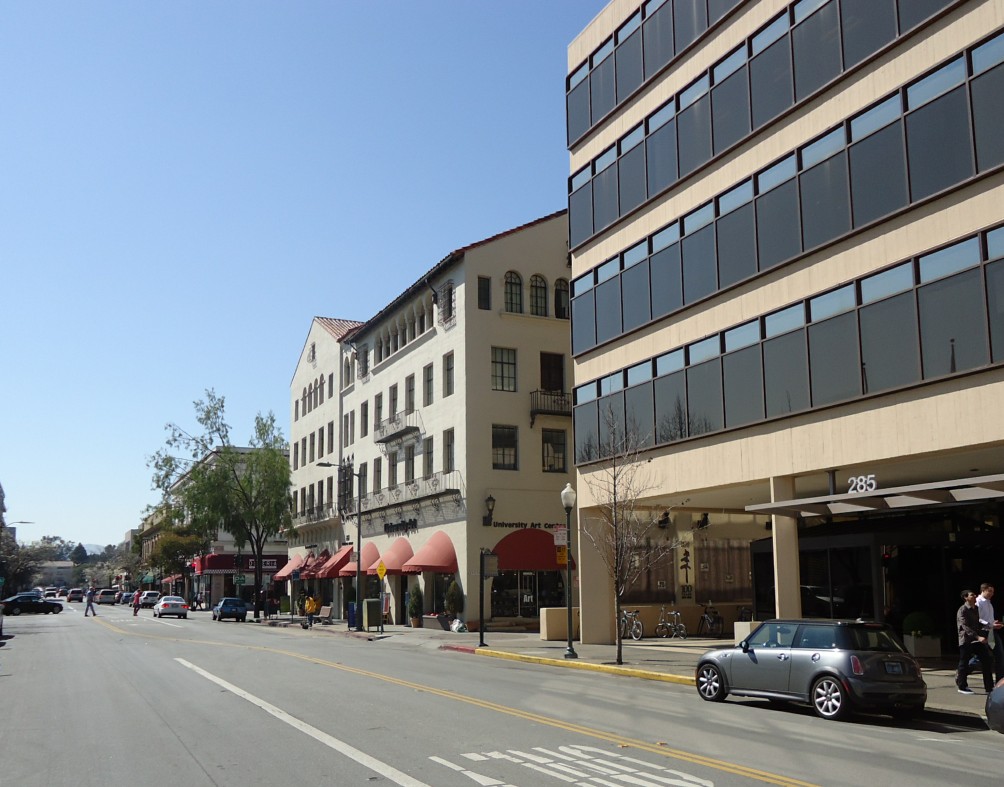
A new federal housing law co-authored by the congressman who represents Palo Alto could send money to convert the city's vacant office buildings into affordable housing, arriving just as Palo Alto processes 341 new housing units under state law.
The bipartisan 21st Century ROAD to Housing Act, passed by Congress in early July, includes four bills written by Rep. Sam Liccardo, who represents California's 16th Congressional District covering Palo Alto, San Jose, Mountain View and San Mateo County. The centerpiece for local commercial real estate: H.R. 5591, which creates the Blighted Building to Housing Conversion Program and appropriates roughly $100 million per year through 2031 to fund conversions of vacant office buildings into affordable housing, contingent on the availability of funds.
Palo Alto's office market carries about 1.6 million square feet of vacant space across a 10.5-million-square-foot inventory, a 15.2% vacancy rate as of the first quarter of 2026, according to Cushman & Wakefield. Stanford Research Park alone encompasses 10 million square feet across 140 buildings. While Palo Alto's vacancy is lower than neighboring Mountain View (31%) or downtown San Jose (30.8%), the city still has significant empty commercial space that could qualify for the new federal program.
"The advantage you have is that the buildings are already there," Liccardo told the San José Spotlight. "Even at $100 million, you got to spread the peanut butter pretty thin over a country our size. What I'm hoping to do is to get the camel's nose under the tent, and particularly to persuade Republican colleagues that this is a good investment of taxpayer money, recognizing we want to do far more."
No timeline has been announced for when the federal government will begin accepting applications under the conversion program.
ADU loan expansion could benefit Palo Alto homeowners
A second Liccardo bill in the package expands loan options for accessory dwelling units, addressing a barrier familiar to Palo Alto homeowners: financing an ADU has largely been limited to cash or taking out an additional mortgage. The new provision opens lending options for moderate-income homeowners who want to build backyard units.
Palo Alto was on track to permit more ADUs in 2025 than the prior year, according to a September 2025 Palo Alto Online report. Statewide, ADUs accounted for more than 26% of all homes permitted in California in 2024, according to the state Department of Housing and Community Development.
David Garcia, deputy director of policy at UC Berkeley's Terner Center for Housing Innovation, told the San José Spotlight that the loan expansion matters most "in cities that have pretty permissive ADU policies," where it "can make those policies even more effective."
Timing aligns with SB 79 housing push
The federal money arrives as Palo Alto digests a wave of new housing applications. Nine developers filed projects totaling 341 units during the SB 79 application window that closed July 15, Planning and Development Director Jonathan Lait confirmed. Four projects cluster near the California Avenue Caltrain station; five near the downtown station. Palo Alto's goal is 346 new units within a half-mile of both stations.
The legislation also raises the cap on bank investments in Low Income Housing Tax Credits from 15% to 20%, a change that could increase private financing available for affordable projects in the SB 79 pipeline and beyond.
Liccardo acknowledged the package's limits, telling the Spotlight the act is "the largest package I know in several decades" but that "there's nothing in this package that is going to have an impact on tens of millions of American families that are struggling with rent this year."
No federal agency has announced when it will begin accepting applications for the office conversion grants. The city's Transit Oriented Development alternative plan, which could concentrate future housing density along University Avenue, El Camino Real and California Avenue, remains in development.