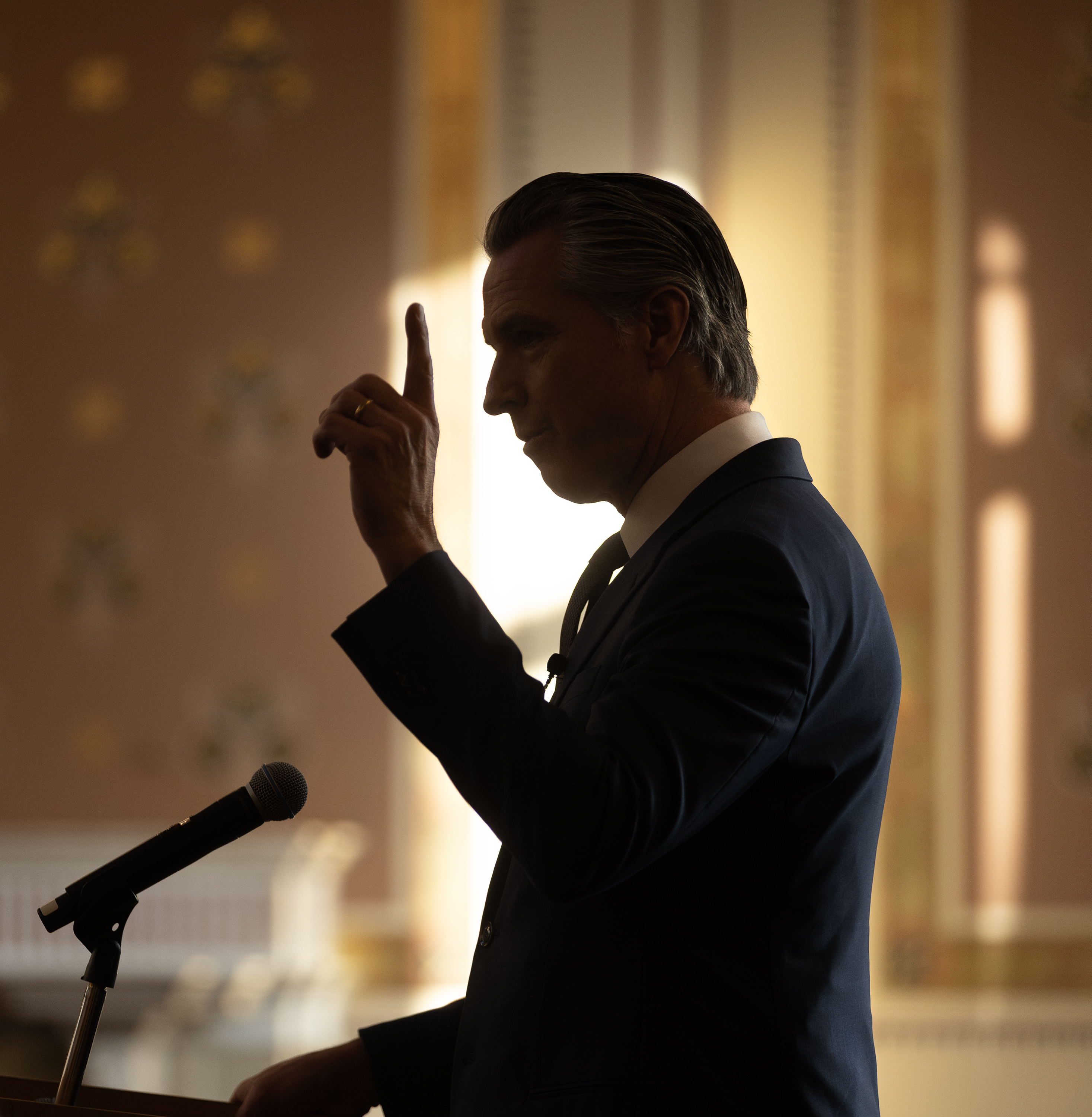
Gov. Gavin Newsom signed 13 child safety bills on Thursday, Sept. 10, banning addictive social media features for minors and imposing new rules on AI chatbots. The laws directly affect how Palo Alto students use the platforms many of their parents help build.
The centerpiece is Adam's Law (Senate Bill 1119), named after 16-year-old Adam Raine, a California teen who died by suicide in 2025 after interactions with OpenAI's ChatGPT. His mother, Maria Raine, said at the signing "It will save lives and prevent other serious harms."
The law requires AI chatbot operators to assess risks to children, submit findings to independent auditors, alert parents when a minor threatens self-harm and impose time limits for young users. Chatbots must default to settings without persistent memory for minors, a provision Assemblymember Rebecca Bauer-Kahan (D-Orinda) called the bill's most important element.
Persistent memory, she said, enabled ChatGPT to isolate Raine from his family.
A second major bill, Assembly Bill 1709, makes California the first state to prohibit social media platforms from offering users under 16 access to personalized feeds, infinite scrolling and video autoplay. The bill passed the Legislature without a single no vote. Teens can still use the platforms if the addictive features are turned off.
A third bill, Assembly Bill 2, raises potential damages to up to $1 million per child when a tech company is found liable for fostering anxiety, depression or other harms. It triples payouts in certain cases, according to Politico.
The package also bans AI-powered chatbot toys for children under 16 for four years and prohibits schools from requiring kindergarten and transitional kindergarten students to take home devices like iPads and Chromebooks.
Local stakes
The laws land in a community already wrestling with screens. Gunn High School students began stowing phones in classroom holders on the first day of school in August, as we reported Aug. 24, implementing California's Phone-Free School Act.
More than 200 Palo Alto residents signed a petition over the summer to further restrict cell phone use in PAUSD schools. Parent Candice Wei launched a local chapter of Schools Beyond Screens pushing for an all-day phone ban and blocked access to AI sites, Palo Alto Weekly reported in July.
OpenAI and Anthropic, both headquartered in San Francisco and employing many PAUSD families, publicly backed elements of the new laws. OpenAI endorsed SB 1119 as it cleared the Legislature in late August. Anthropic endorsed two companion bills establishing a state registry and standards for independent AI auditors, KQED reported.
Not everyone is on board. The Electronic Frontier Foundation (EFF) urged Newsom to veto AB 1709, calling it "well-intentioned, but deeply flawed." The EFF argued the bill defines addictive features so broadly it could effectively ban social media for minors, according to CalMatters. Critics also raised concerns the law could limit LGBTQ+ youth seeking support online and that teens could dodge age checks by lying about their birth dates.
What's next
Ed Howard, senior counsel at the Children's Advocacy Institute at the University of San Diego School of Law, told CalMatters the trend was moving in the right direction but said he could not yet call social media safer for every child.
Enforcement timelines for SB 1119 and AB 1709 have not been confirmed. A related law requiring device manufacturers to share users' ages with apps takes effect in January. Newsom signaled more AI regulation is coming, telling reporters he planned action on data centers as soon as the week of Sept. 14.
No PAUSD official has commented publicly on the Sept. 10 package.
If you are having suicidal thoughts, call or text 988 to reach the 988 Suicide & Crisis Lifeline.