Caltrain could eliminate all weekend service and stop running after 9 p.m. on weekdays if voters reject a regional sales-tax measure on Nov. 3 and the railroad fails to secure another funding source, according to Caltrain's contingency plans. The cuts have not been approved.
The Connect Bay Area initiative, also called the Regional Transit Measure (RTM), would raise the sales tax by half a cent in Santa Clara County. The tax would fund transit agencies across five Bay Area counties, generating an estimated $980 million a year for 14 years, according to the Metropolitan Transportation Commission.
Without that revenue or another funding source, transit agencies project steep cuts. Under Caltrain's potential service reductions, trains could run only once per hour. BART could slash service by 70% and close up to 15 stations.
Muni would cancel at least 20 bus routes, and AC Transit would cut at least 16% of service, Palo Alto Online reported when the measure was certified for the ballot in July. A September study by SPUR and consulting firm Jacobs found Caltrain could also close more than one-third of its stations, the Mercury News reported.
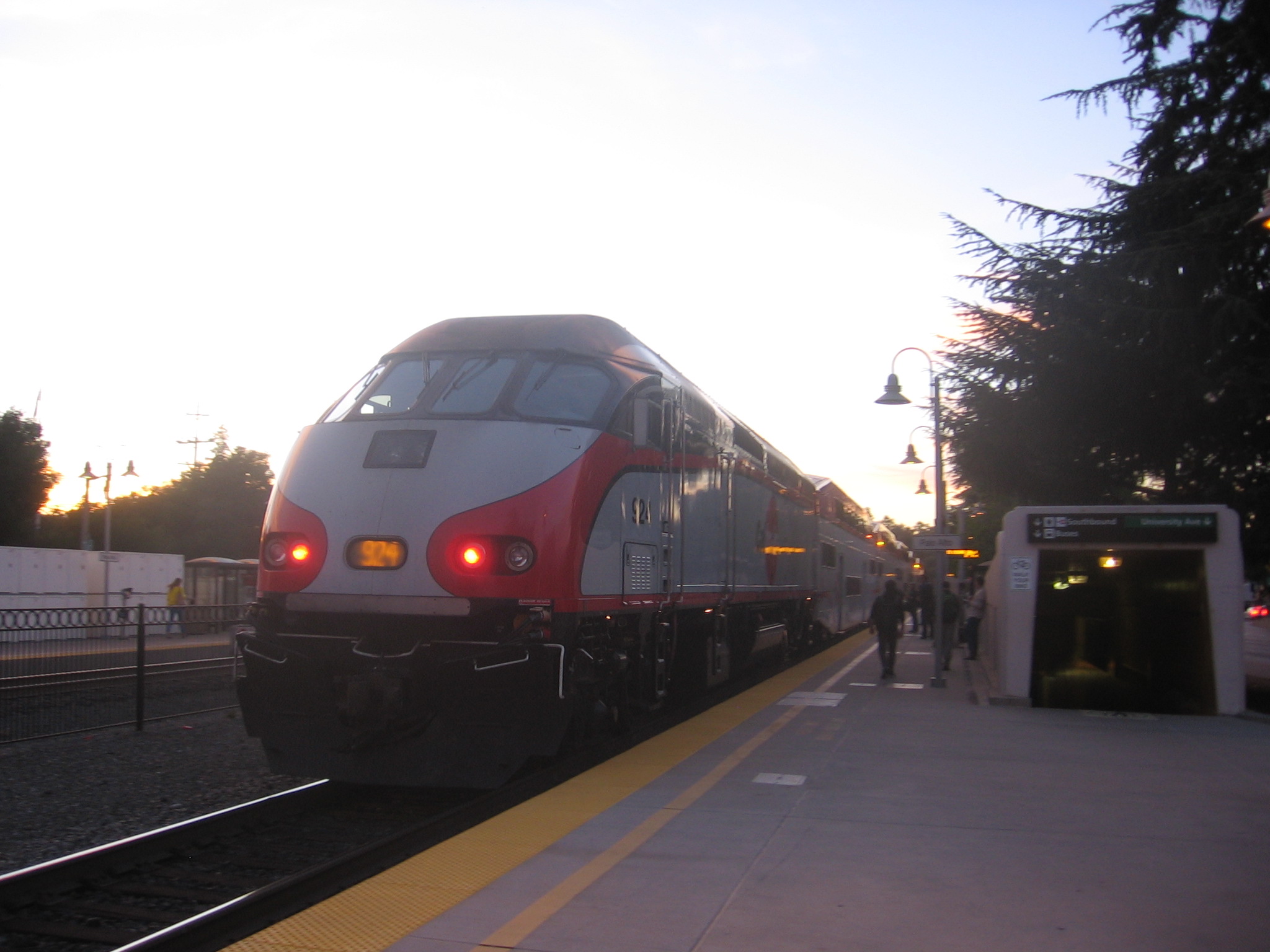
For Palo Alto, where Caltrain is a daily commute link to San Francisco and San Jose, the weekend and evening cuts would hit hardest. The Stanford Daily described a scene at the Palo Alto station during a Friday evening commute: the 5:25 p.m. northbound train pulled in 25 minutes late.
Caltrain rider Megan Mayerle, who commutes between Palo Alto and San Francisco, told the Stanford Daily: "Usually, it's been good. The last couple months have been really bad, and I do not know what's going on."
The measure needs a simple majority to pass because it qualified through a citizen petition that collected an estimated 235,503 valid signatures, according to the Metropolitan Transportation Commission's July 1 certification. Palo Alto's sales tax would rise from 9.75% to 10.25% if the regional measure passes. If voters also approve Palo Alto's separate Measure J, the combined rate would reach 10.75%.
Polling suggests a tight race. An Embold Research survey conducted Aug. 5–18 for Joint Venture Silicon Valley and the Bay Area News Group found 48% support, 34% opposition and 18% undecided among 1,801 adults across the five counties. The margin of error was 2.6 percentage points. RTM campaign spokesperson Jeff Cretan told SFGate the polling question did not reflect what voters will see on the ballot.
The two sides frame the vote in starkly different terms. Bay Area Council President and CEO Libby Schaaf, whose organization gathered signatures for the measure, said it would protect the economy and the environment, in a statement to the Stanford Daily. Gregg Dieguez, president of the opposition Committee for Affordable Bay Area Transit (CABAT), argued that agencies should cut costs before raising taxes, calling the current transit establishment "incompetent" and "massively costly."
Mark W.A. Hinkle, president of the Silicon Valley Taxpayers Association, and Palo Alto resident Christopher M. Robell argued in the County Voter Information Guide that BART's $13 billion extension faces huge cost overruns and weak board oversight.
A Santa Clara County Superior Court judge rejected a legal challenge to the ballot question's wording on Aug. 28, ruling opponents had not met their burden of proof, KQED reported.
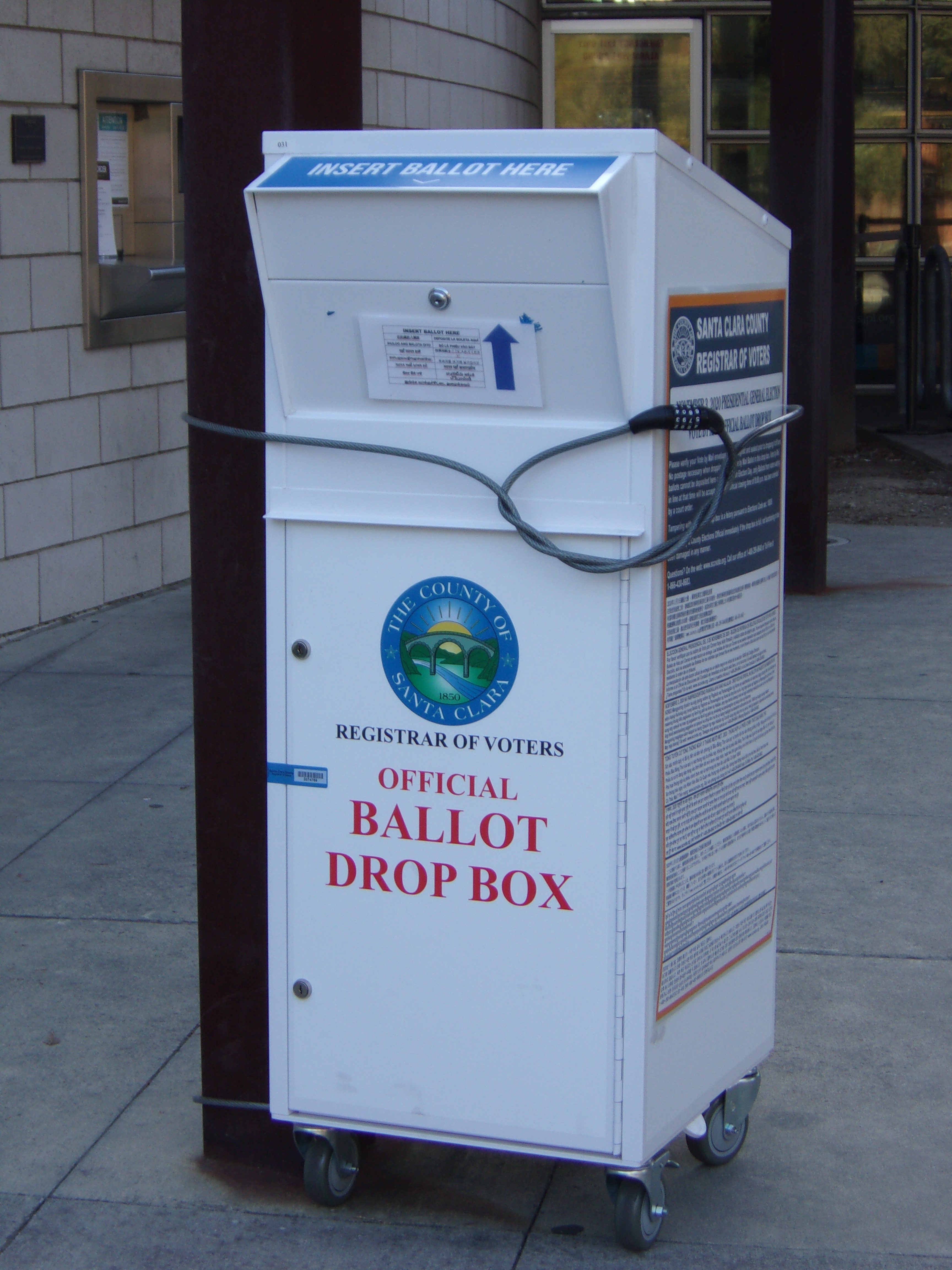
Election Day is Nov. 3.