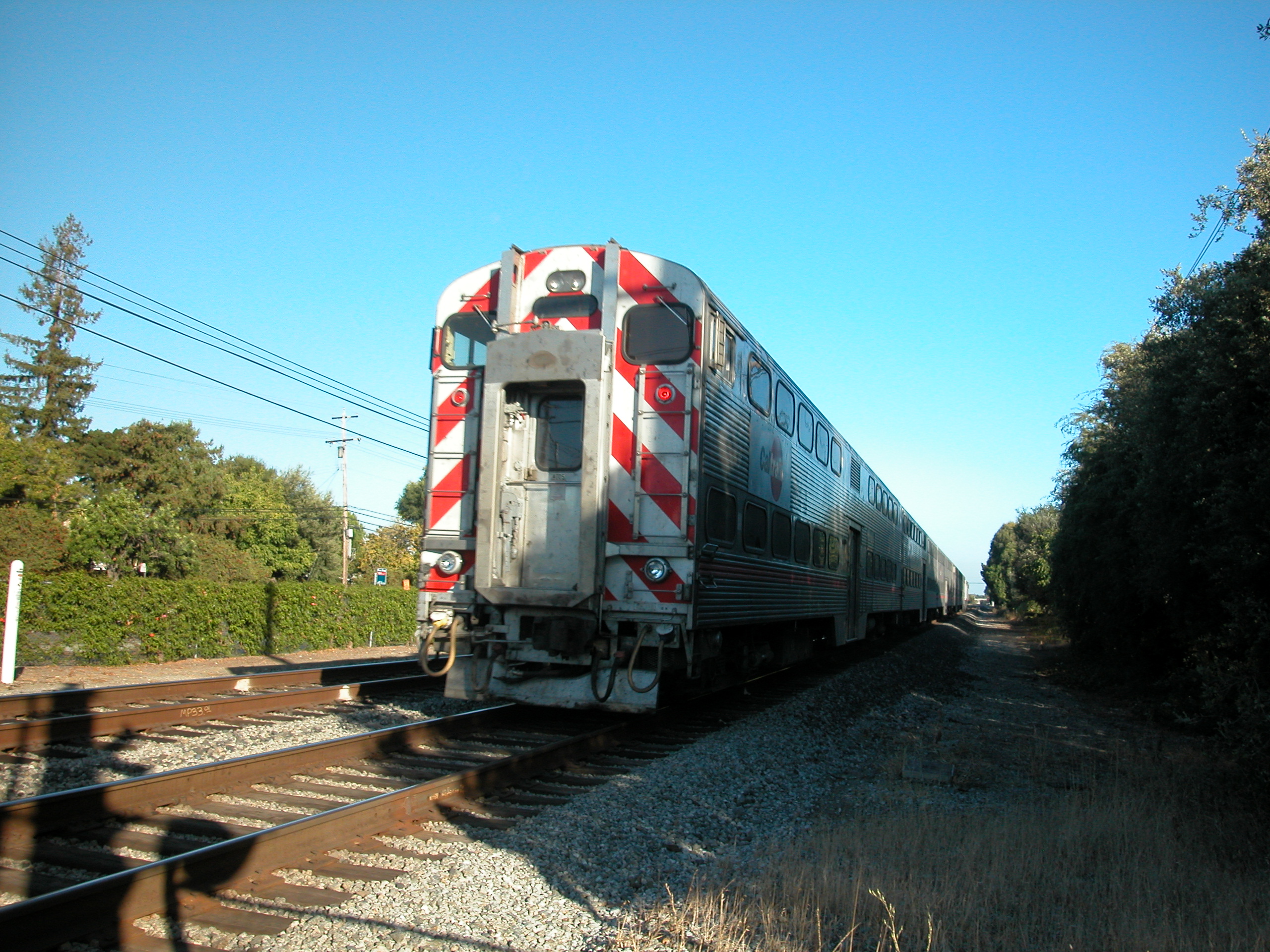
Palo Alto's $1.5 billion plan to separate trains from traffic at three rail crossings is tentatively set for a City Council vote on Sept. 28, and the city is still more than $1 billion short of what it needs to build the project.
The vote would advance 15% designs for grade separations at Churchill Avenue, East Meadow Drive and Charleston Road into the next engineering phase. Staff will first present the designs to the Rail Committee on Tuesday, Sept. 8, according to the city's project page.
The project has been in the works for more than 15 years. Its goals: improve east-west connectivity across the Caltrain corridor, cut traffic backups when crossing gates drop and address a critical youth safety concern the city has identified at the crossings.
What the designs would build
Each crossing gets a different treatment, according to Caltrain's project alternatives and Palo Alto Online reporting.
Charleston Road would drop below the railroad and Alma Street through an underpass with a direct access ramp. Tracks stay at their current elevation. An earlier roundabout design near Mumford Place was scrapped after residents pushed back, replaced by the ramp to shrink the footprint.
East Meadow Drive would get a hybrid that raises the rail line and lowers the road. Two construction concepts are still being studied: an earthen berm option and a column-supported podium. Edgar Torres, a Kimley-Horn consultant working on the project for Caltrain, told attendees at an Aug. 25 community meeting that the gentler slope gives cyclists better sight lines.
Churchill Avenue would become a partial underpass, sending cars beneath the tracks to a lowered T-intersection at Alma Street. A separate bike and pedestrian tunnel near Seale Avenue would cross under Alma. A landscape strip along Alma was eliminated from the design to reduce property impacts.
The price tag
The total cost runs between $1.5 billion and $1.6 billion if Meadow and Charleston are built at the same time, and between $1.7 billion and $1.8 billion if they are built one after the other, Charleston first.
So far the city has secured $6 million from the Federal Railroad Administration and $14 million in Measure B funds through a cooperative agreement with the Santa Clara Valley Transportation Authority. That money covers preliminary engineering and environmental review.
"None of these numbers add up to $1 billion yet," Torres said at the Aug. 25 meeting.
Construction would not start until 2032 at the earliest and could take four to nine years. Council members have indicated over the past year they would likely begin with Charleston, the busiest crossing. Torres warned that every year of delay drives costs higher.
What residents said
More than 50 people packed the Aug. 25 meeting at Mitchell Park Community Center. Concerns centered on property impacts, bicycle access and temporary "shoofly tracks" that would run close to homes during construction.
John Melnychuk, who lives near the Meadow crossing, called the planned structure a "Berlin Wall" and objected to shoofly tracks running near his front door for years. Resident Jon Foster questioned whether the price tag would ultimately doom the project.
Council candidates Brian Hamachek and Henry Etzkowitz have called for train tunnels instead. Torres told the crowd a tunnel would be far more expensive "by orders of magnitude" because it would have to pass two creeks.
What comes next
If the Council approves the 15% designs, staff and Caltrain consultants would move to 35% design, targeted for late 2027. That phase would include environmental analysis and refined cost and schedule estimates. Chief Transportation Official Ria Hutabarat Lo said the 15% approval is an incremental but critical step that would let the city pursue project grants.
Separately, a JED Foundation report released around Aug. 21 recommended that Palo Alto reduce pedestrian access to rail crossings as part of a broader youth mental health strategy, adding urgency to the project's safety rationale.
If you are having suicidal thoughts, call or text 988 to reach the National Suicide & Crisis Lifeline.