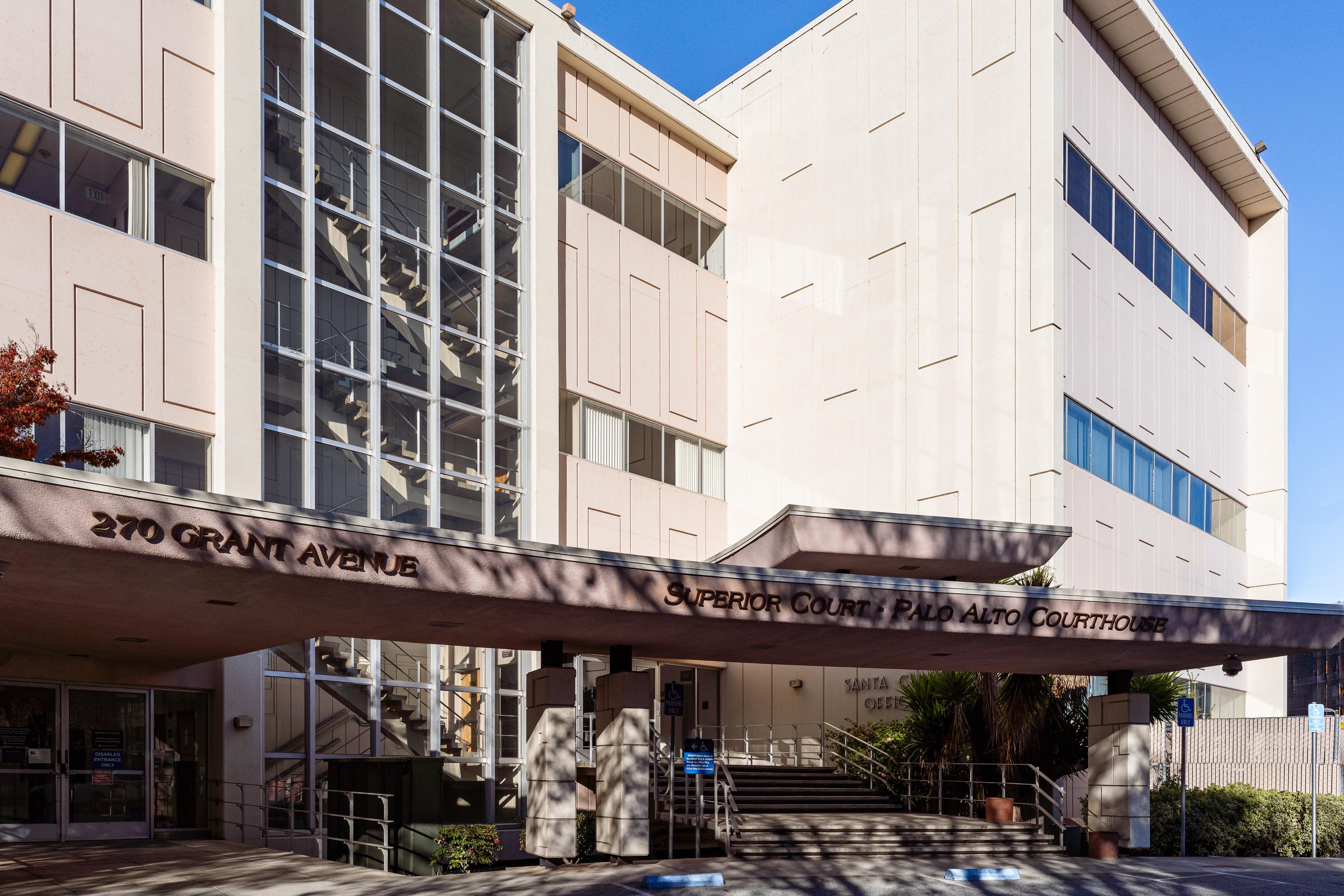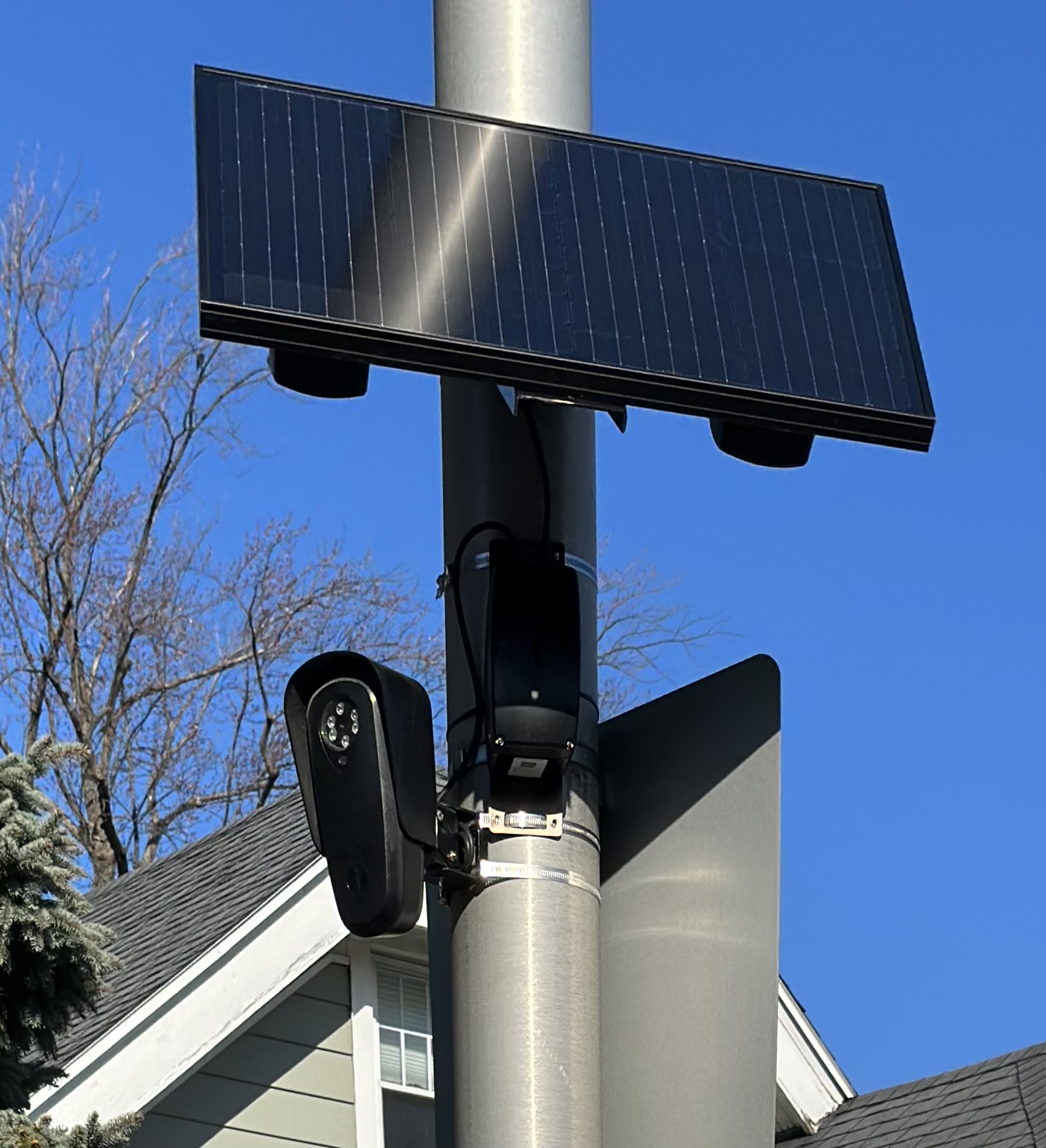
Palo Alto's 30 Flock Safety license plate cameras face a local-only decision after California again failed to regulate the technology.
The California Assembly killed Senate Bill 1013 on Monday, Aug. 31, the final day of the legislative session. The bill would have imposed the state's first privacy rules on automated license plate readers, or ALPRs. It was the fifth straight year California failed to pass such regulation, CalMatters reported.
Democratic leadership, led by Assembly Majority Leader Cecilia Aguiar-Curry, kept the bill from reaching a floor vote. Assemblymember Josh Lowenthal, the bill's co-author, was mid-presentation when he was told to pause, according to Politico. The bill never came back up.
SB 1013, authored by Sen. Sabrina Cervantes (D-Riverside), had cleared the state Senate. It would have restricted police use of plate data to locating criminal suspects or missing people, required privacy training for officers, limited sharing with national databases and mandated random audits by the attorney general's office. Nearly 40 law enforcement agencies and police unions opposed it.
A similar bill passed the Legislature last year but was vetoed by Gov. Gavin Newsom, in part because it would have required police to delete plate data after 60 days.
What it means for Palo Alto
The bill's death lands in the middle of Palo Alto's own Flock review. On Aug. 24, the City Council directed staff and the OIR Group, the city's independent police auditor, to evaluate alternative vendors and report back sooner than the planned 90-day audit period, Palo Alto Online reported.
Mayor Vicki Veenker signaled the likely outcome at that Aug. 24 meeting. "We are unlikely to retain Flock," she said. "That's clearly where we seem to be leaning."
Not every council member agreed. Councilmember Pat Burt said he supported holding another discussion to consider a range of options, including new data-sharing limits or contract termination.
The city approved its original 20-camera Flock contract in April 2023 and expanded to 30 cameras under a five-year deal approved in December 2024, running through December 2029, according to a June 2026 police department staff report. Terminating early would cost $500 per camera unit. One-third of the contract is funded by a state organized retail theft grant, and it is unclear whether that money could transfer to a different vendor.
Police Chief James Reifschneider has defended the cameras. He told the council in June 2026 that the department identified more than 130 cases where Flock played an evidentiary role in identifying and arresting suspects. He also cited a 13% drop in residential burglaries and a 24% drop in auto burglaries between 2025 and 2026.
But the cameras also carried a data-sharing problem the city did not know about. Palo Alto's plate data was included in Flock's nationwide searchable database from mid-2023 through October 2024 without the police department's knowledge, according to the staff report. The department said no out-of-state or federal agency actually accessed Palo Alto data through that feature.
Regional shift away from Flock
Palo Alto is not alone in reconsidering. Mountain View terminated its Flock contract in February. Stanford University dropped Flock in August and switched to a Genetec system that stores data locally. The Santa Clara County Board of Supervisors halted its planned Flock rollout and is exploring alternatives.
Redwood City did not renew its expiring Flock contract and issued a request for proposals with stricter privacy requirements, drawing responses from seven vendors.
Still, the departures represent a small fraction of Flock's user base. Fewer than 70 of nearly 6,000 agencies nationwide have dropped the company since 2025, and fewer than 10 of those are in California, according to the June staff report. Several nearby cities, including San Jose, Sunnyvale, San Francisco, Oakland, Richmond, Berkeley and East Palo Alto, have recently continued or renewed their Flock contracts.
Nationwide, more than 200 cities or agencies ended license plate reader contracts in August, more than any other month since 2021, according to Secure Justice, a group led by Bay Area privacy advocate Brian Hofer.
Catherine Crump, co-director of the UC Berkeley Center for Law & Technology, told CalMatters, "It's a really disappointing outcome at a time when there is bipartisan concern about this mass surveillance tool."
Without state rules, Palo Alto's next move rests with the OIR Group audit and whatever the council decides when staff returns with vendor alternatives. Switching to a new ALPR system would take six to 12 months, the June staff report estimated.