Palo Alto and 14 other Santa Clara County cities now have a shared 40-year plan for expanding tree coverage after the Board of Supervisors voted unanimously Tuesday, Sept. 15, to adopt an Urban Forest Master Plan.
The plan gives cities a framework for planting more trees, with a focus on neighborhoods where canopy coverage lags. Palo Alto had about 38% tree canopy coverage as of a 2022 assessment, according to Palo Alto Online. The new plan offers funding strategies and technical support to maintain and expand that shade.
Trees across Santa Clara County generate an estimated $101.4 million in ecosystem benefits each year, according to the county. That figure accounts for roughly 25 million pounds of air pollutants removed, 864 million gallons of stormwater managed and about 464,600 tons of carbon captured.
The county's Office of Sustainability and Resilience led the effort, producing six planning documents: a Canopy Equity Study, a Priority Planting Analysis, an Operational Gap Analysis, along with funding and ordinance roadmaps. A grant from the California Department of Forestry and Fire Protection (CAL FIRE) paid for the work.
Supervisor Margaret Abe-Koga said the county wants tree canopy spread across every community, noting that shade cools neighborhoods and tree leaves filter pollutants from the air.
The plan uses tree equity scores developed by the national nonprofit American Forests to measure how tree coverage lines up with income, race, age and environmental conditions. Areas that score low would be prioritized for planting.
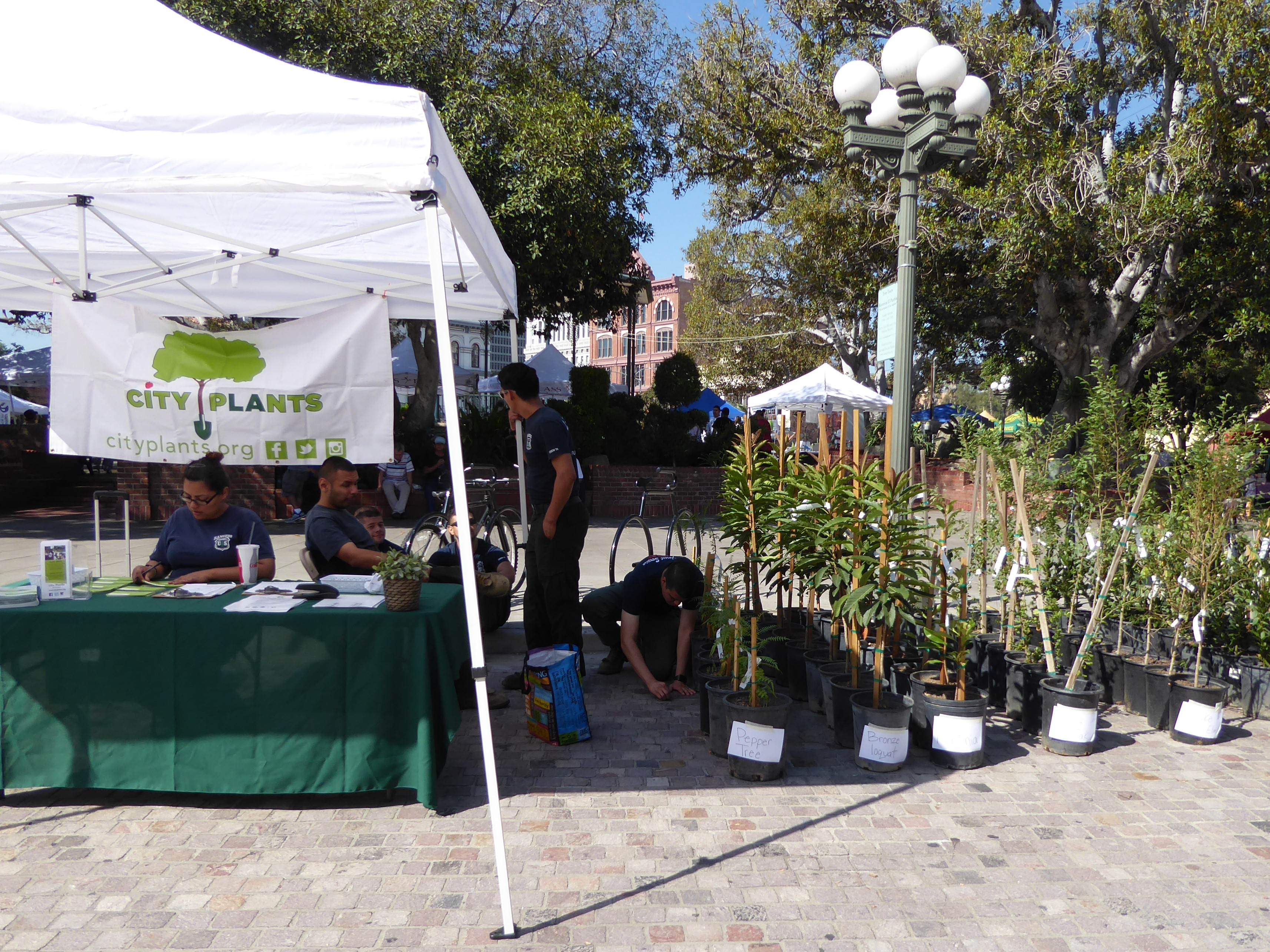
Locally, Palo Alto High School students and volunteers planted trees in the Hoover Park neighborhood through a partnership with Canopy, a Palo Alto-founded urban forestry nonprofit. The county has also planted 3,000 trees countywide through a multi-year partnership with Our City Forest and community volunteers.
A proposed Forestry Working Group of staff from multiple county departments would coordinate policies and data across county departments. The county also plans to develop a Climate-Ready Species List identifying drought-tolerant, pest-resistant trees suited to changing conditions.
The Board's Housing, Land Use, Environment, and Transportation Committee reviewed the plan on Aug. 20 before the full board's Sept. 15 vote. No specific first-year planting targets or grant deadlines have been announced. The county and its cities will need to secure state and federal grants to fund implementation.
Jean Paul Renaud, executive director of Canopy, described the draw of community tree planting before the plan's approval. "It's one of the few times you can show up on a Saturday morning and in two hours see the results of your work that will last 100 years," he said at an Aug. 20 committee hearing.