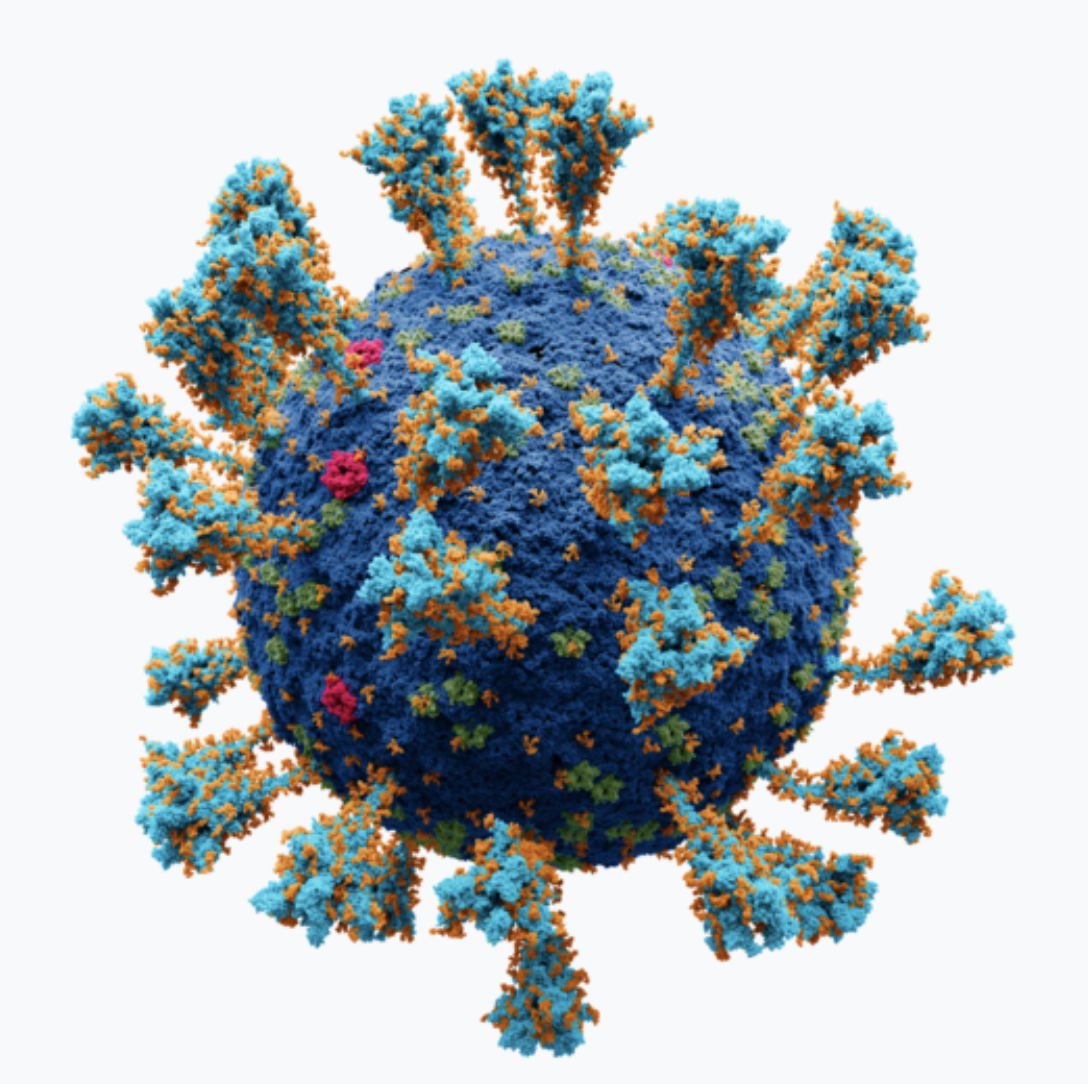
Coronavirus levels detected in Palo Alto's wastewater have crossed into the "high" category, according to Santa Clara County Public Health Department data reported Friday, July 24, as California enters what state health officials describe as a predictable summer surge pattern.
The classification covers both Palo Alto and San José. The county has not publicly defined what data threshold triggers the "high" designation in its wastewater monitoring system.
Statewide, COVID test positivity climbed to 3.4% for the week ending July 18 up from 1.15% a month earlier, according to Grant Boyken, a spokesperson for the California Department of Public Health. Hospitalizations across California remain "very low," Boyken said, but state officials expect that number to rise in the coming weeks.
Who should act
Health officials are urging residents in higher-risk groups to get the current 2025-26 COVID booster without waiting for the updated 2026-27 version expected this fall. Those groups include people 65 and older, infants and toddlers, pregnant individuals, and anyone with diabetes, heart disease, obesity, asthma, or a weakened immune system.
People 65 and older and those who are immunocompromised need two doses of the updated vaccine, spaced six months apart, according to state guidance.
The wastewater signal aligns with broader expert expectations. "We're kind of due for more people getting sick," Dr. Peter Chin-Hong, a UC San Francisco infectious diseases expert, told the Los Angeles Times on Friday, July 24.
Early treatment matters
Residents who test positive can ask their doctor about Paxlovid, an antiviral that reduces the length and severity of illness when started early. Health officials emphasized that early diagnosis is key to accessing treatment.
A familiar pattern
State health officials said summer COVID increases have occurred every year since 2020, making the current uptick expected rather than alarming. The CDC's transmission estimates as of late July 2026 show COVID growing in California and nine other states, according to the Los Angeles Times report, though emergency room visit levels remain very low.
Kaiser Permanente Southern California reported a small increase in cases in the two weeks before July 24, with nearly all patients treated as outpatients rather than admitted to hospitals.
Dr. Elizabeth Hudson, regional physician chief of infectious diseases at Kaiser Permanente Southern California, said in the July 24 report that the next few weeks will reveal whether the region faces another full summer wave.
What Palo Alto residents should know
The 2025-26 COVID vaccine is available at pharmacies and healthcare providers. Residents can check vaccines.gov or contact their provider to find appointments.
The Palo Alto Ledger has asked the Santa Clara County Public Health Department what data threshold triggers the "high" designation and whether additional local guidance is forthcoming.