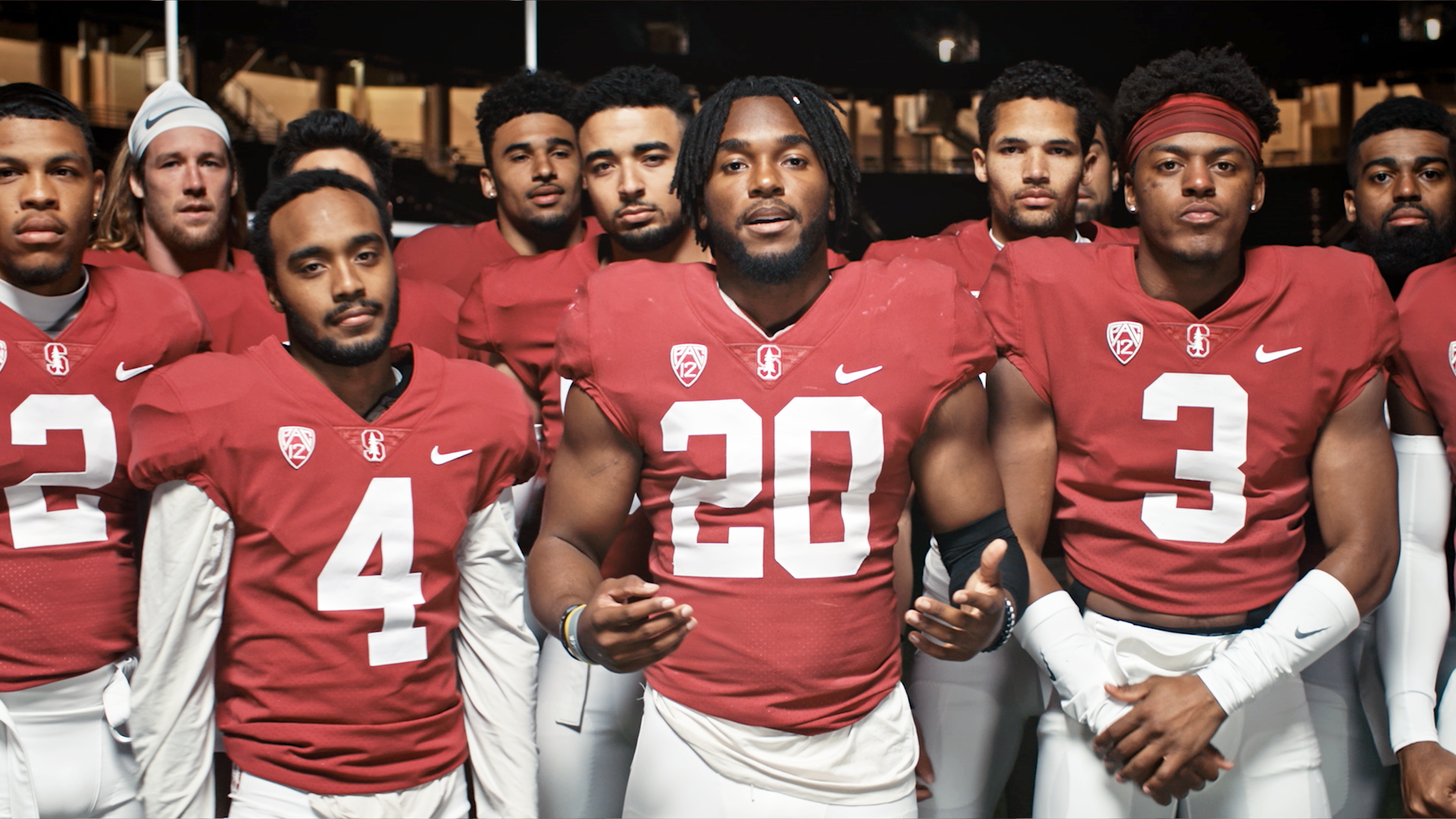
Stanford football players launched the first active-athlete chapter of the College Football Players Association on Monday, July 27, electing two fifth-year seniors as representatives in what the CFBPA calls the first step toward conference-wide collective bargaining.
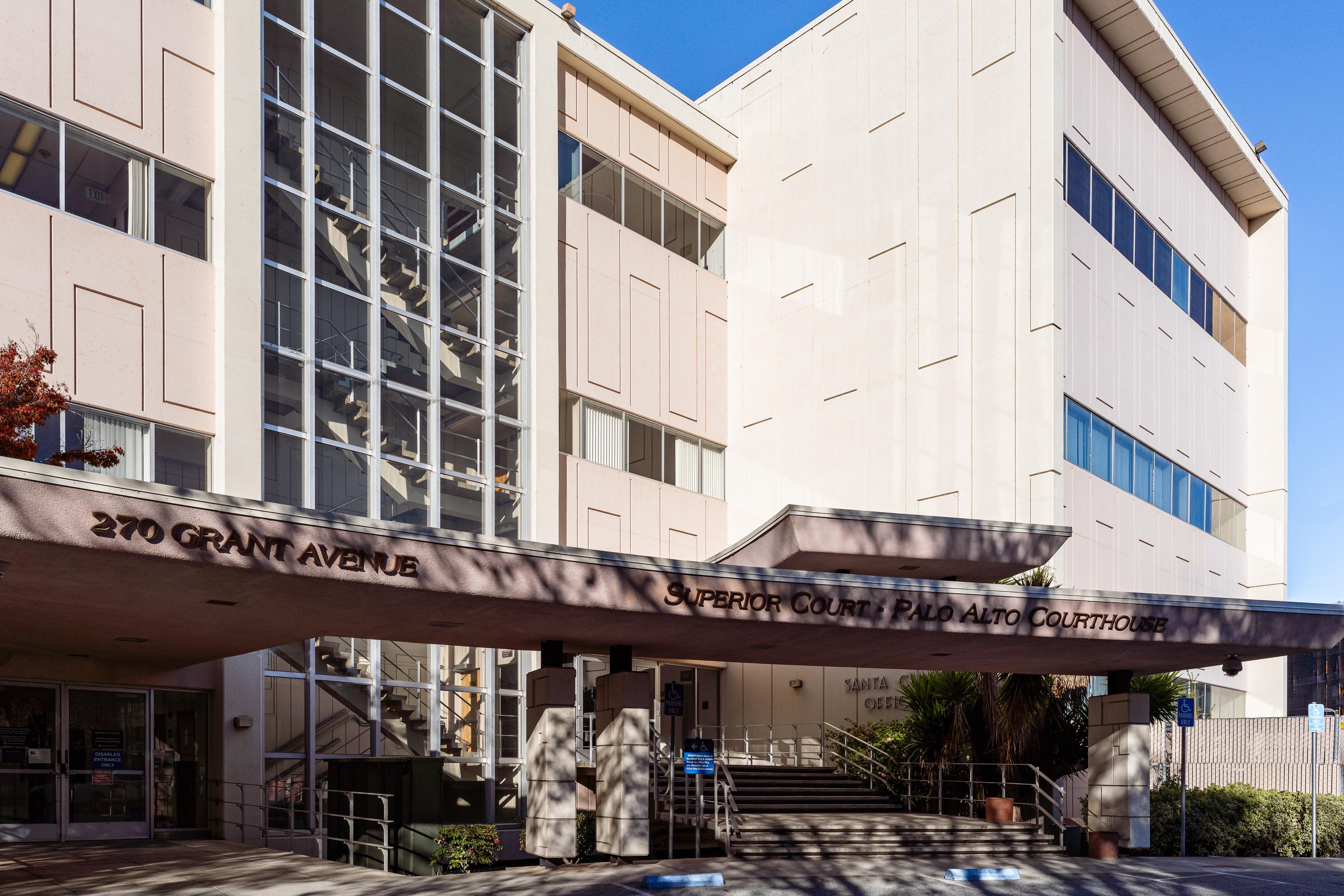
Fifth-year offensive lineman Fisher Anderson and fifth-year linebacker Ernest Cooper will lead the chapter, which reached the membership threshold needed to hold elections after CFBPA Executive Director Jason Stahl presented to more than 50 players at a voluntary meeting on Stanford's Palo Alto campus in late June, according to The Athletic.
"When a CFBPA chapter becomes a reality on every college football team, it would put down an anchor where there isn't one right now for the sport," Anderson said in a CFBPA press release. "The chapters can then become the building blocks for conference-wide collective bargaining agreements which would bring sustainability, transparency and player protections to a sport in need of all three."
The chapter debuted two days before Stanford opened fall camp Wednesday, July 29, under first-year head coach Tavita Pritchard. Anderson and Cooper met with general manager Andrew Luck about the chapter in what was described as an amicable conversation; neither Luck nor Pritchard has publicly supported or condemned the effort, USA Today reported. Stanford University did not respond to a request for comment.
The CFBPA, founded in 2021, is structured as a fraternal organization rather than a union because college athletes are not legally recognized as employees. That distinction matters: it lowers the barrier for players to join without committing to a formal labor action. Stahl told Palo Alto Online the association has organized at five other schools but Stanford is the first willing to go public.
Third-year defensive lineman Benedict Umeh, another chapter member, said the NFLPA model inspired the effort. Stanford's longstanding relationship with the NFL players union planted the seed, Anderson told The Athletic's CFBPA podcast, adding that it made him wonder whether collective bargaining "could be done on the college football level."
Umeh voiced skepticism about the Protect College Sports Act, the bipartisan Senate bill that passed the Commerce Committee 19-9 in June. Senate Majority Leader John Thune said the bill is unlikely to reach a floor vote before the August 7 recess. "The issue with a congressional bill, in my eyes, is the players don't get much of a say at all," Umeh told The Athletic.
Stahl envisions Stanford as the first of 17 ACC chapters and estimates it could take up to three years to build conference-level bargaining power. The effort comes as every Power 4 school now shares revenue directly with athletes under the House v. NCAA settlement, capped at $20.5 million per school annually.
The program under Luck and Pritchard already represents a reset after four consecutive 3-9 seasons and a 4-8 campaign in 2025. Stanford opens its 2026 season Saturday, August 29, with a schedule ranked 19th-toughest in FBS.