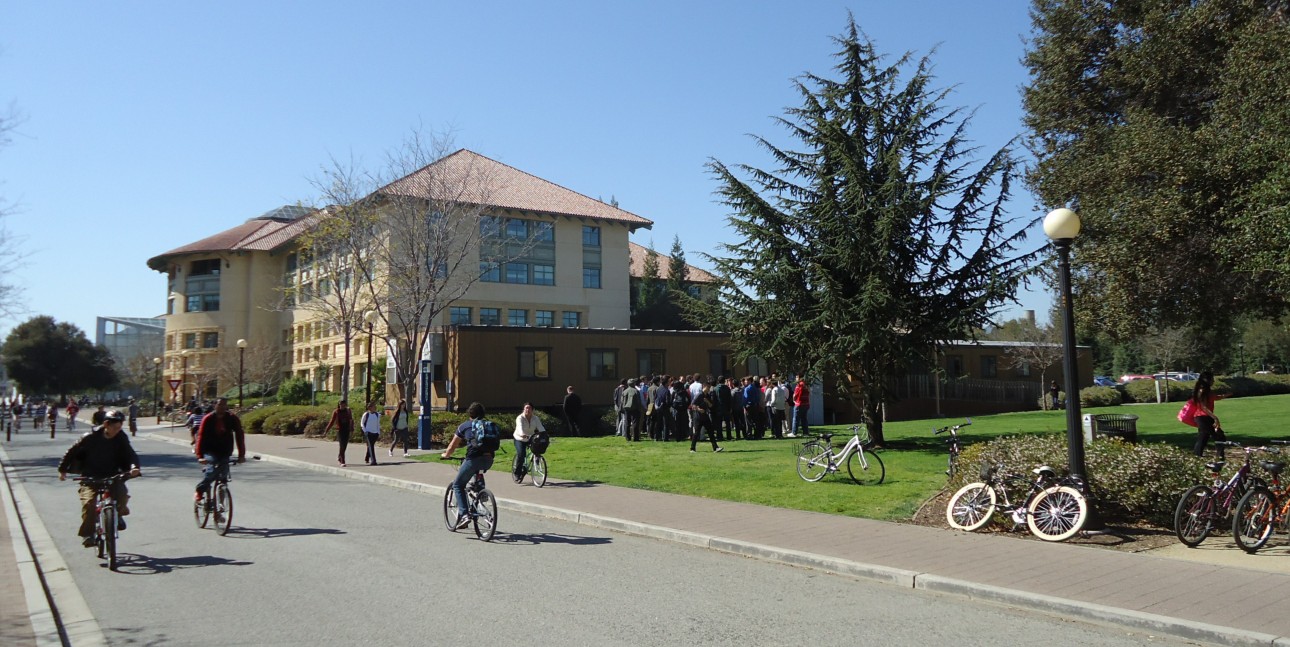
Stanford University expects to submit its general use permit application to the Santa Clara County Board of Supervisors in August, launching a formal review process that will determine how much the university can grow and what it must do to offset impacts on traffic, housing and jobs across Palo Alto.
The filing caps a community engagement effort that began in December 2025, during which Palo Alto residents pressed Stanford to build more affordable housing so an influx of students and staff doesn't further squeeze the city's already tight rental market. The permit, if approved, would allow Stanford to increase enrollment and open new academic facilities on campus.
The scope remains unclear. The university has not released square footage, enrollment or housing targets for StanfordNext, its name for the expansion effort.
A second try after 2019 collapse
StanfordNext is Stanford's second attempt at a major expansion permit. In November 2016, the university applied to build 2.275 million square feet of new academic space, 2,600 student beds and 550 housing units for faculty and staff, according to the county's community plan update page. That application would have added 9,610 new students and employees and 5,500 jobs, according to San Mateo County records.
Stanford withdrew the application on Nov. 1, 2019, after failing to reach agreement with Santa Clara County supervisors on how to mitigate its growth. San Mateo County and a coalition of seven cities, including East Palo Alto, had opposed the plan's ratio of new jobs to new housing.
This time, the university ran months of listening sessions before filing. Whitney McNair, Stanford's senior associate vice president and StanfordNext project executive, wrote in a message after the final session July 17 that "Stanford's success and our neighbors' success are genuinely intertwined."
Two cities, two postures
The contrast between Palo Alto and East Palo Alto during the engagement sessions was striking. Palo Alto residents focused on shielding the city from Stanford's traffic and housing impacts. East Palo Alto residents, who live roughly a mile from campus, came with proposals for closer ties.
More than 40 East Palo Alto residents attended the July 17 session, along with council members Carlos Romero and Mark Dinan and San Mateo County Supervisor Lisa Gauthier, The Almanac reported.
East Palo Alto attendees asked for improved transit connections to campus, noting that commutes via public transit can take up to 45 minutes. They also requested protected bike lanes, affordable workforce housing and priority access to Stanford events. Several described their city as a "cut-through" community where traffic from non-residents heading to downtown Palo Alto or Stanford clogs University Avenue.
Stanford's free Marguerite Shuttle passes through East Palo Alto on its AE-F line but does not stop there.
What's next for Palo Alto
Once the application lands at the county, the Board of Supervisors will set conditions Stanford must meet on housing, transportation and sustainability. For Palo Alto, the key questions are how many housing units Stanford will build on its own land, what traffic mitigation it will fund on corridors like Page Mill Road and El Camino Real, and whether the university's workforce growth will add pressure to the city's housing market.
Stanford plans to staff information booths at the Palo Alto Festival of the Arts on Aug. 22-23 on University Avenue. Community groups can also request a speaker from the university through an online form.