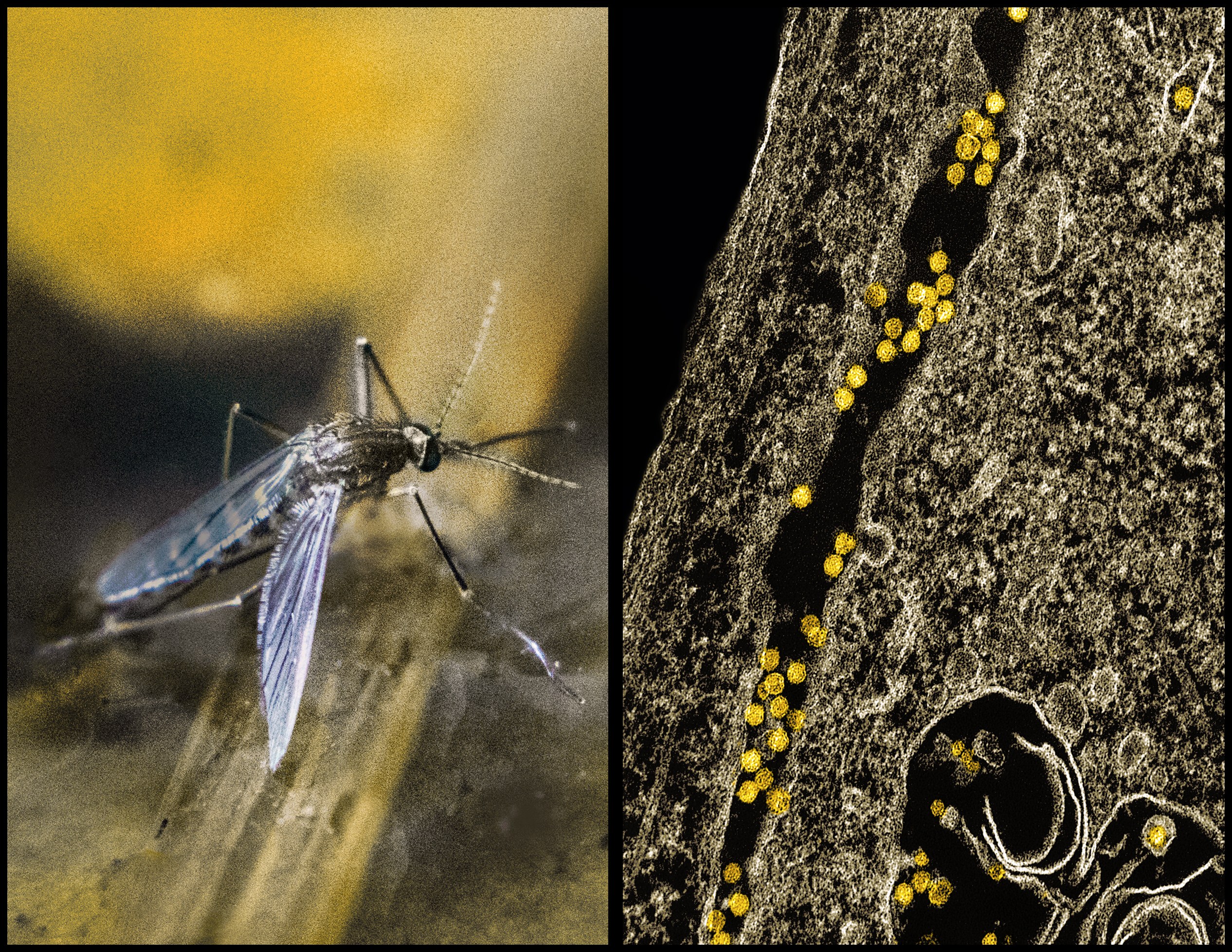
Palo Alto residents heading outdoors this summer face heightened West Nile virus risk after Santa Clara County confirmed its first two human cases and first virus-positive mosquitoes of 2026.
The county's Mosquito and Vector Control District has already treated the Baylands area once this season, and more spraying is planned.
Santa Clara County Public Health announced Wednesday, July 29 that both patients are adults. One was hospitalized; the other sought emergency department care.
Both are recovering at home. The cases are unrelated, and both individuals traveled during their incubation period, so health officials cannot confirm whether they contracted the virus locally or elsewhere.
The news arrives as the CDC reports 113 human West Nile cases nationally through late July, the highest mid-year count in more than two decades, according to the San Francisco Chronicle. California's seven confirmed cases are about three times the normal count for this point in the season. Two Santa Clara County residents have died from the virus in the past two years, according to Mercury News reporting of state data.
Baylands already surveyed; more spraying planned
For Palo Alto residents who walk, bike, or bird-watch along the Baylands, mosquito activity is not abstract. The City of Palo Alto said on X on June 12 that the Santa Clara County Mosquito and Vector Control District surveyed the Baylands Athletic Center pond and scheduled a larvicide treatment for around June 15 pending FAA approval due to the site's proximity to Palo Alto Airport. Dead crows in Menlo Park's Willows neighborhood, just north of Palo Alto, tested positive for West Nile on July 13, according to Menlo Park's public notice.
The vector control district has now detected virus-positive mosquitoes elsewhere in the county and plans targeted adult-mosquito treatments. Locations and timing have not been announced.
"Taking swift action is critical to protect public health when a West Nile virus mosquito is detected," Jeremy Shannon, the district's assistant manager, said in the county's announcement. "Adult-mosquito-control treatments reduce the flying adult mosquito population in the area, which decreases the risk of a West Nile virus-human infection."
Assessment increase funds district response
The district's ability to respond got a boost in June, when property owners narrowly approved a $15.75 annual assessment increase with 51.23% of the weighted vote, Palo Alto Online reported. The new rate, $30.86 per year for single-family homeowners, took effect in July and is expected to generate roughly $8.5 million annually. Without it, the district had warned services could be cut by 30%, gutting surveillance and disease testing.
What residents should do
There is no vaccine.
Dr. Krishna Surasi, the county's assistant health officer and communicable disease controller, urged residents to dump standing water from containers as small as a bottle cap, use EPA-registered insect repellent, and wear long sleeves and pants at dawn and dusk, when the mosquitoes that carry West Nile are most active. People over 60 and those with certain medical conditions face the highest risk of severe illness. Symptoms include fever, headache, body aches, and in serious cases neurological complications. The incubation period runs two to 14 days.
Residents can report dead birds at (877) WNV-BIRD or westnile.ca.gov/report, and neglected pools or standing water at vector.santaclaracounty.gov. The district takes calls Monday through Friday, 7:30 a.m. to 3:30 p.m., at (408) 918-4770.