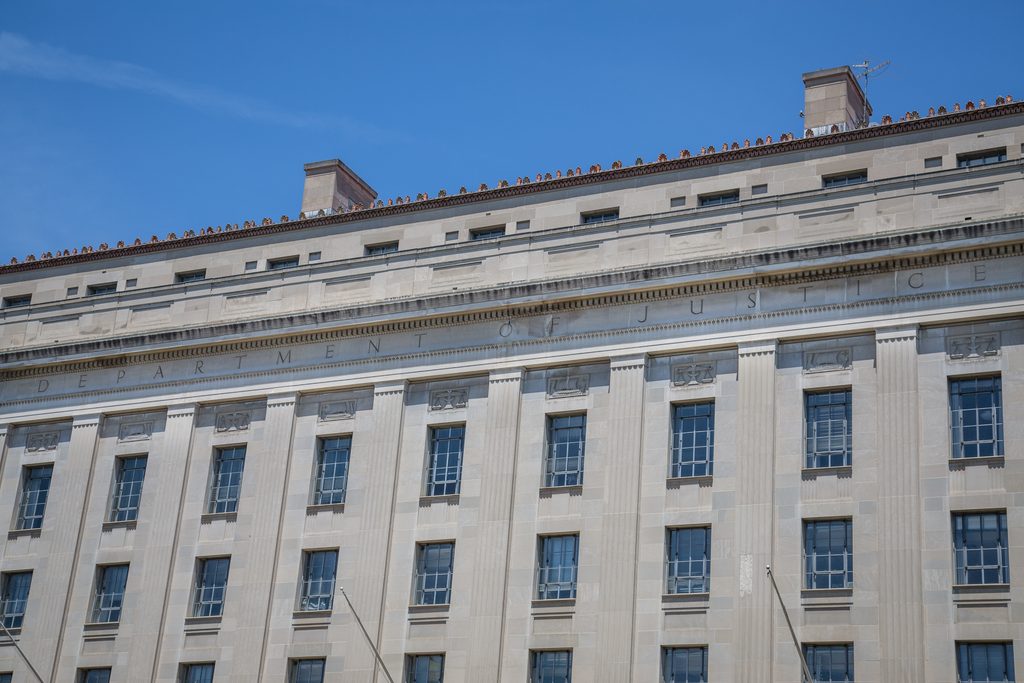
The U.S. Department of Justice (DOJ) deployed approximately 1,000 election monitors and observers to jurisdictions across all 50 states on Tuesday, Nov. 3. The department called it the largest monitoring effort in its history.
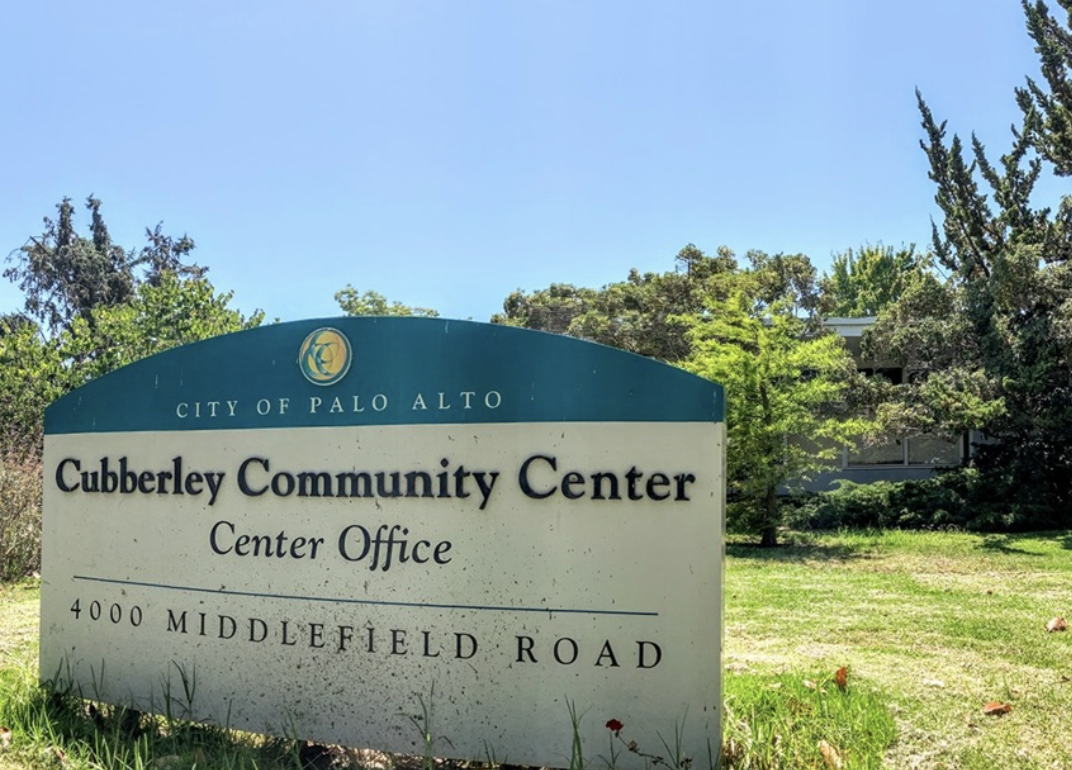
Santa Clara County, home to Palo Alto, was not on the department’s published monitoring list. The DOJ’s announcement listed Los Angeles, Alameda, Sacramento and San Diego as the state’s monitored jurisdictions. Alameda County, just north of Santa Clara County in the Bay Area, is the closest listed county.
The deployment marks a sharp expansion. In the 2024 presidential election, the DOJ monitored 86 jurisdictions across 27 states, according to the department’s 2024 announcement.
Assistant Attorney General Harmeet K. Dhillon of the Civil Rights Division, which coordinated the effort, said in a statement that the department was “pursuing transparency for elections in an assertive and nondiscriminatory manner.” The nationwide deployment draws staff from across the DOJ, including the Civil Rights Division and U.S. attorney’s offices, along with federal observers supplied by the Office of Personnel Management.
The monitors will check compliance with federal voting rights statutes, including the Voting Rights Act, the Help America Vote Act and the Americans with Disabilities Act.
Concerns about targeting
Voting rights groups questioned the deployment. The NAACP warned of potential intimidation and reduced participation among minority voters, USA Today reported.
USA Today’s Census analysis found that monitored locations in states with competitive Senate races included communities whose Black or Hispanic population shares exceeded statewide averages.
Santa Clara County’s clash with DOJ
Though not on the monitor list, Santa Clara County has been at the center of a separate conflict with the DOJ over voter rolls.
On Oct. 23, the DOJ sent letters to California county registrars demanding they provide confidential voter registration information for people it alleged were noncitizens. The department directed counties to segregate those voters’ ballots until citizenship could be verified. Santa Clara County received a list of 902 names, according to a county news release.
The county refused. County Counsel Tony LoPresti said in a response letter that the DOJ “cites no statutory or other legal authority that would allow DOJ to direct a county’s administration of ballots.”
County Executive James R. Williams questioned the quality of the data behind the list. He told KQED that “there were three duplicates on the first page alone” and that “a significant number of random names appear not to be voters in Santa Clara County at all.”
The 902 names appear to be a subset of roughly 20,000 people the DOJ flagged statewide and then sued California over, demanding the state not count those ballots until citizenship was verified, according to the county release. Los Angeles County reviewed a sample and found fewer than half had active voter registrations, the county reported. Among those with available birthplace data, more than one-third were born in the United States.
Federal judge warns prosecutors
U.S. District Judge David O. Carter issued a written order on Wednesday, Oct. 28, warning federal prosecutors to stop threatening California election officials with criminal charges, CalMatters reported. At least four California election workers received federal grand jury subpoenas in the preceding week, with at least one delivered on Thursday, Oct. 29, after the court’s order.
The DOJ appealed Carter’s ruling to the 9th U.S. Circuit Court of Appeals. The appeals court denied the department’s emergency request Oct. 30. The Supreme Court then denied an emergency request Nov. 2 to require California to set aside the disputed ballots while the appeal proceeded.
KQED reported Oct. 26 that prosecutors had charged 28 California residents, all lawfully present in the country, with illegally voting or registering despite lacking citizenship. None had been convicted as of that report. Those charged represented approximately 0.0001% of the state’s registered voters.