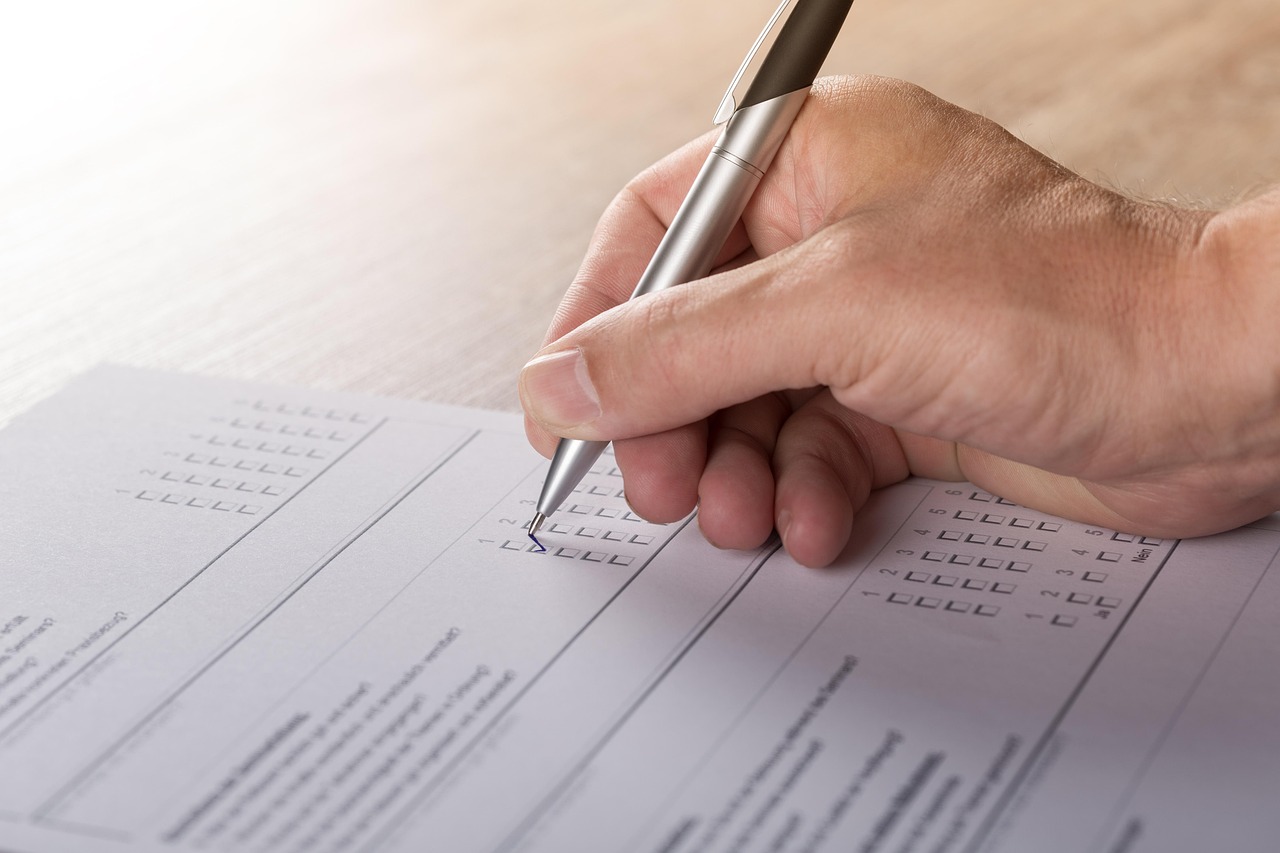
California voters heading to the polls Tuesday, Nov. 3, face 14 statewide propositions alongside local races. The measures span taxes, housing, health care, voter identification and environmental law, according to the official voter guide.
Election results are pending. This article will be updated as election officials release vote totals.
Polls close at 8 p.m. Pacific time. County reporting begins after polls close, according to the state election calendar. Full counting could take weeks.
Here is what is on the ballot.
The billionaire tax fight: Props. 40, 41 and 42
Proposition 40 is the most expensive proposition campaign of the cycle, according to CalMatters’ Oct. 25 report. It would impose a one-time 5% tax on the net worth of certain billionaires who were California residents Jan. 1, 2026, with exclusions for assets including real estate and retirement accounts, according to the official analysis.
Proponents, led by Service Employees International Union-United Healthcare Workers West, say it would raise roughly $100 billion over five years for health care, education and food assistance. The state’s legislative analyst estimates revenue in the tens of billions over several years.
Gov. Gavin Newsom, both candidates for governor and the California Teachers Association oppose the measure, according to PPIC’s discussion of the campaign and the opposition argument in the voter guide.
Props. 41 and 42 are countermeasures. If either passes with more “yes” votes than Prop. 40, the billionaire tax could be blocked if courts determine the measures conflict, according to the official analyses of Prop. 41 and Prop. 42.
Mark Baldassare, director of the Public Policy Institute of California’s Statewide Survey, said four of the five tax measures included in its September survey had majority support but none topped 60%. “The outcome is very uncertain,” Baldassare said, according to PPIC.
Other fiscal measures: Props. 2, 3 and 43
Prop. 2 would raise the funding target for the state’s rainy day fund from 10% to 20% of annual General Fund tax revenue, extending the requirement to make deposits.
Prop. 3 would make permanent a temporary income tax on high earners, first approved in 2012 and set to expire in 2031. The tax applies to individuals earning more than $371,000, a threshold adjusted annually for inflation.
Prop. 43 would require a two-thirds vote to pass citizen-driven local special tax measures. They can pass with a simple majority under current law.
Housing: Props. 1 and 37
Prop. 1 would authorize $11.25 billion in bonds for affordable housing, including rental housing, veterans’ mortgages and down payment assistance.
Prop. 37 would authorize up to $25 billion in revenue bonds to fund homebuying assistance loans for eligible buyers of newly built homes. Homeowners’ loan payments would repay the bonds.
Elections and campaigns: Props. 4, 5 and 39
Prop. 4 would allow state and local governments to set up public financing for political campaigns.
Prop. 5 would change recall elections so voters decide only whether to remove an officeholder. Vacancies would generally be filled through special elections or appointments, depending on the office and timing.
Prop. 39 would require government-issued ID at the polls and the last four digits of a designated government-issued identification number on mail-ballot envelopes.
Health care and environment: Props. 38, 44 and 45
Prop. 38 would authorize $8.4 billion in bonds for immunology and immunotherapy research.
Prop. 44 would require specified nonprofit community clinics to spend at least 90% of revenue on program services advancing their charitable purpose, including patient services.
Prop. 45 would change California Environmental Quality Act procedures for certain projects, including housing and transportation, by setting deadlines for environmental review and legal challenges.
When to expect results
County election officials report totals to the Secretary of State beginning after polls close, with updates at least every two hours, according to the official election calendar. Counties have up to 30 days to canvass results. Ballots postmarked by Nov. 3 and received by Nov. 10 must also be counted if otherwise valid.
The Secretary of State’s final statewide certification deadline is Dec. 11.
Voters can follow returns through the California Secretary of State’s election results website. Election-night totals are unofficial until canvassing and certification are complete.