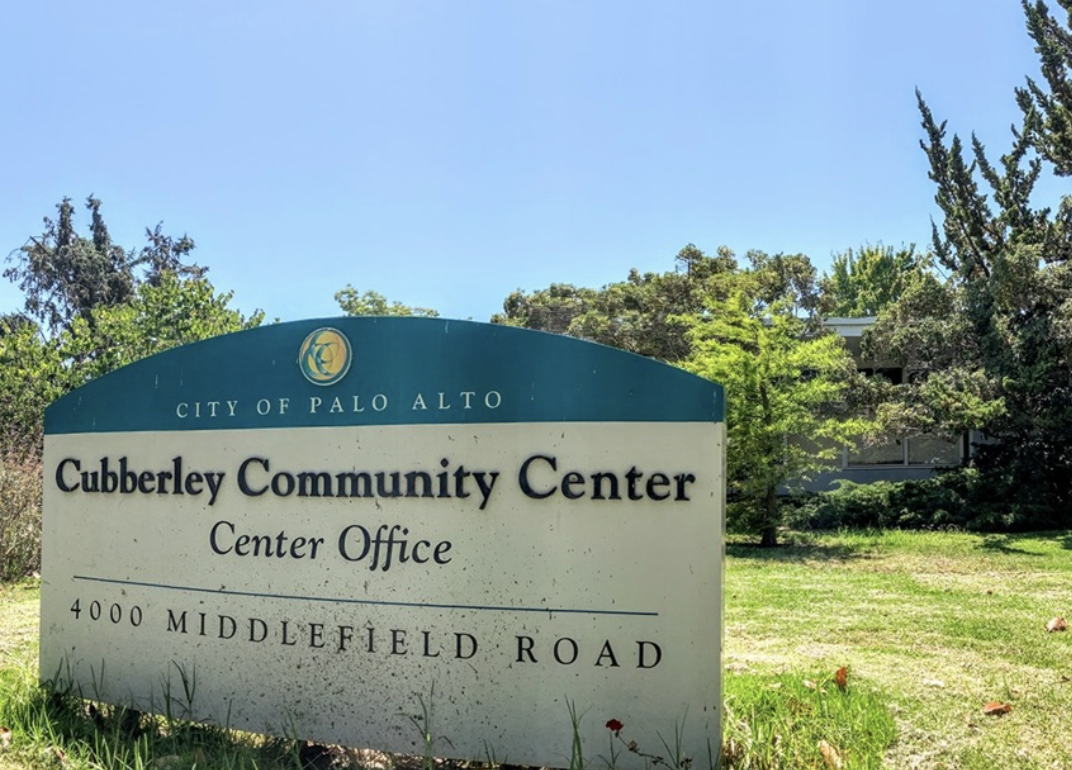
Palo Alto voters will decide Tuesday, Nov. 3, whether to approve a half-cent sales tax increase that city leaders intend to use for a long-stalled overhaul of the Cubberley Community Center at 4000 Middlefield Road.
Election results are pending. This article will be updated as election officials release vote totals.
Measure J would generate roughly $15.6 million a year, according to city estimates. Polls close at 8 p.m. Pacific time, and the measure needs a simple majority to pass.
The tax has no expiration date. It would remain in effect until voters repeal it, according to the city attorney’s impartial analysis.
What the money is for
Legally, Measure J is a general tax. Revenue flows into the city’s general fund and can support any city service. But the City Council passed a companion resolution in June setting advisory spending guidelines that prioritize Cubberley, starting with a $65.5 million purchase of seven acres owned by the Palo Alto Unified School District (PAUSD), according to the city’s measure information.
The city already owns eight acres of the 35-acre Cubberley campus. Acquiring the additional seven would let the city begin Phase 1 of a conceptual master plan to renovate buildings, add green space and improve recreation facilities. Phase 1 carries an estimated price tag between $300 million and $400 million, according to the city’s project information. The estimate is preliminary, and the scope may change as partnerships develop.
The spending resolution is not legally binding. The city says it has honored similar advisory guidelines associated with its hotel and business taxes.
The debate
The entire City Council and the PAUSD Board of Education back the measure, Palo Alto Online reported. Councilmember Julie Lythcott-Haims, speaking in an individual capacity, called the effort a breakthrough after decades of failed plans.
“We are so close to finally achieving what this community has been demanding for decades,” Lythcott-Haims said, according to Palo Alto Online.
Opponents include former Mayor Lydia Kou, Mark W.A. Hinkle of the Silicon Valley Taxpayers Association and Jeanne Fleming, co-founder of Unite Neighbors of Palo Alto. In the official rebuttal to the argument in favor, opponents called the measure “a general tax” that “hands the City a blank check.” They argued the ballot language lists broad uses, including streets, libraries and disaster preparedness, with no guarantee funds go to Cubberley.
A May poll by the city’s pollster, FM3, showed 55% of residents leaning toward support, with a margin of error of 4.9 percentage points, Palo Alto Online reported.
When to expect results
Readers can follow returns through the Election Results link on Santa Clara County’s November election page. Initial returns are unofficial and can change as additional ballots are counted.
Mail ballots postmarked by Election Day can arrive through Nov. 10 and still be counted, according to the California Secretary of State.
If approved, the sales tax increase would take effect in April 2027, according to the city attorney’s analysis.