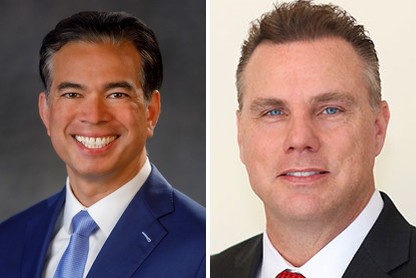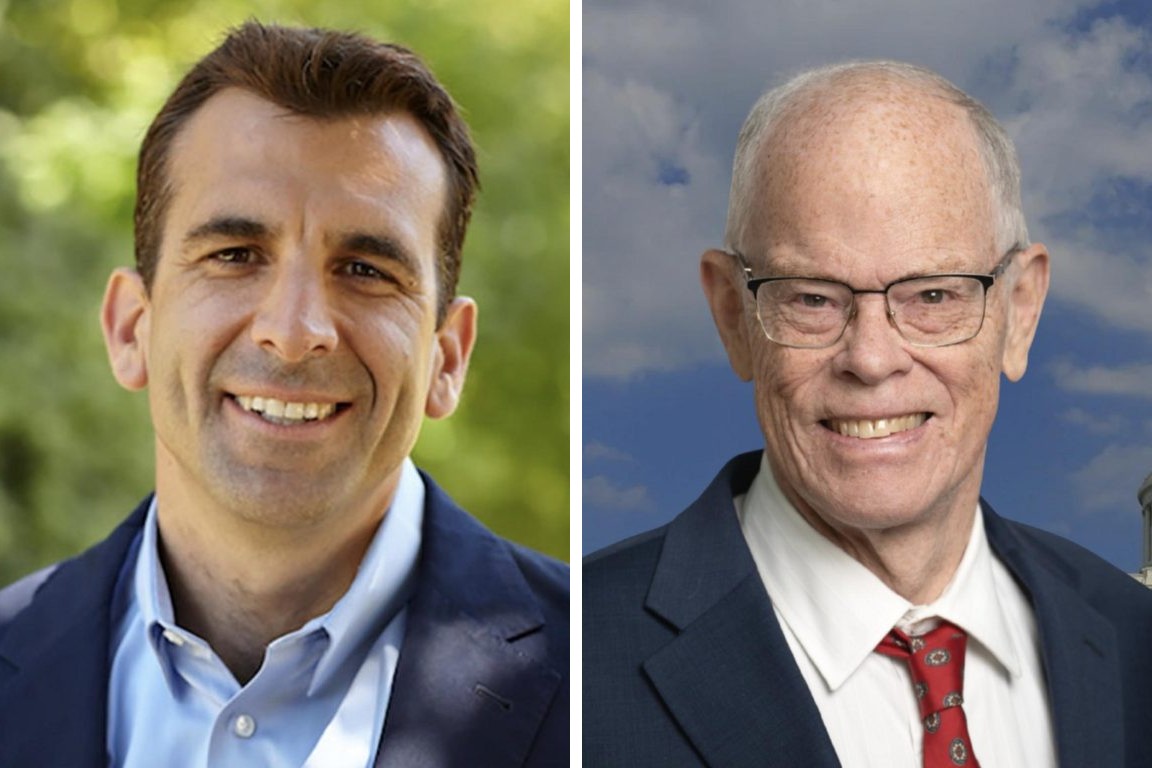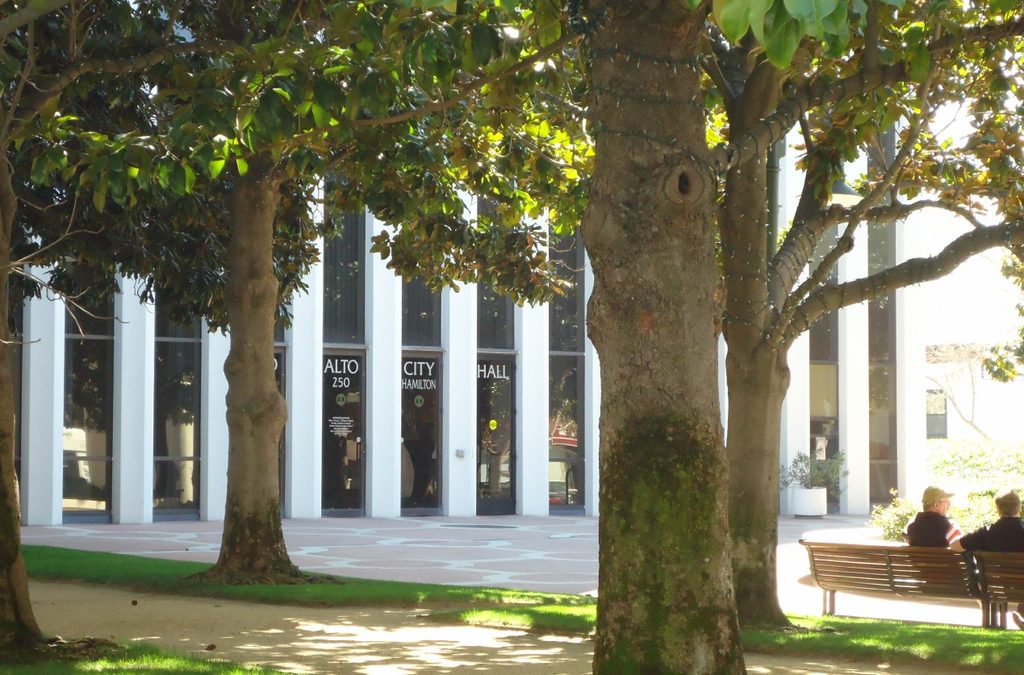
Eight candidates are competing for three seats on the Palo Alto City Council on Tuesday, Nov. 3.
Election results are pending. This article will be updated as election officials release vote totals.
Returns will be available through the Santa Clara County Registrar of Voters’ results page. Initial returns are unofficial.
Polls are open from 7 a.m. to 8 p.m. Pacific time, according to the county’s election information.
Mail ballots postmarked by Election Day can arrive through Nov. 10 and still be counted, according to the county’s ballot-return rules. Santa Clara County has until Dec. 3 to certify results, according to its election calendar.
Who’s running
Mayor Vicki Veenker and Councilmember Ed Lauing are the two incumbents seeking second terms. Councilmember Julie Lythcott-Haims announced at the May 11 council meeting that they would not seek re-election, opening one seat to a newcomer, the Palo Alto Daily Post reported.
Six challengers round out the ballot: Planning and Transportation Commission Chair Bryna Chang, Parks and Recreation Commissioner Yudy Deng, emergency physician Gary Gechlik, software engineer Brian Hamachek, Stanford research fellow Henry Etzkowitz and community organizer Raymond Goins. Verde Magazine profiled all eight candidates.
Voters may select up to three candidates. The seats carry four-year terms, according to the city’s election information and the county’s final candidate list.
What’s at stake
The winners will join a seven-member council facing state-mandated housing targets. Palo Alto must plan for 6,086 homes during the 2023–2031 housing cycle, including 2,452 for low- and very-low-income households. The city must demonstrate adequate housing capacity and programs to accommodate that allocation, according to its housing information. The council will also steer decisions on grade separation, wildfire preparedness and the city budget.
Voters are also deciding Measure J, a half-cent sales tax increase that would generate an estimated $15.6 million a year. Revenue would enter the city’s general fund and could support general city services. The council’s advisory spending guidelines prioritize Cubberley Community Center improvements and purchasing seven additional acres from the Palo Alto Unified School District. The measure needs a simple majority to pass, according to the city attorney’s impartial analysis.
Where candidates stand on housing
Housing dominates the race. Veenker said she wants to partner with the county, state and nonprofits to fund housing projects and improve the permitting process for accessory dwelling units (ADUs), according to Mercury News excerpts reproduced on her campaign website. Lauing said he favors deed-restricted, below-market-rate homes tied to area median income. “That’s the only way we can guarantee successful affordable housing,” Lauing told Verde Magazine.
Chang said she wants state housing mandates to produce “complete neighborhoods” with parks, schools and retail, not just high-rises, Verde reported. Her campaign priorities also call for parks, schools and retail alongside new housing. Deng plans to push ADU construction and housing along El Camino Real, San Antonio Road and downtown, according to Verde. Her campaign policies support streamlined ADU permits and housing near transit and shopping.
Hamachek supports concentrating new housing near transit corridors but opposes dense development in single-family neighborhoods, as described in his campaign platform. Gechlik wants a 10-story height limit citywide and more open space. Etzkowitz calls himself the “super residentialist” candidate and proposes that Stanford build graduate residential colleges, Verde reported. Goins, a member of the Democratic Socialists of America, said his top priority is affordable housing and ending homelessness, Verde reported. His campaign platform advocates rent stabilization and housing near jobs.
How to track results
Follow the county registrar’s official results page for election returns.